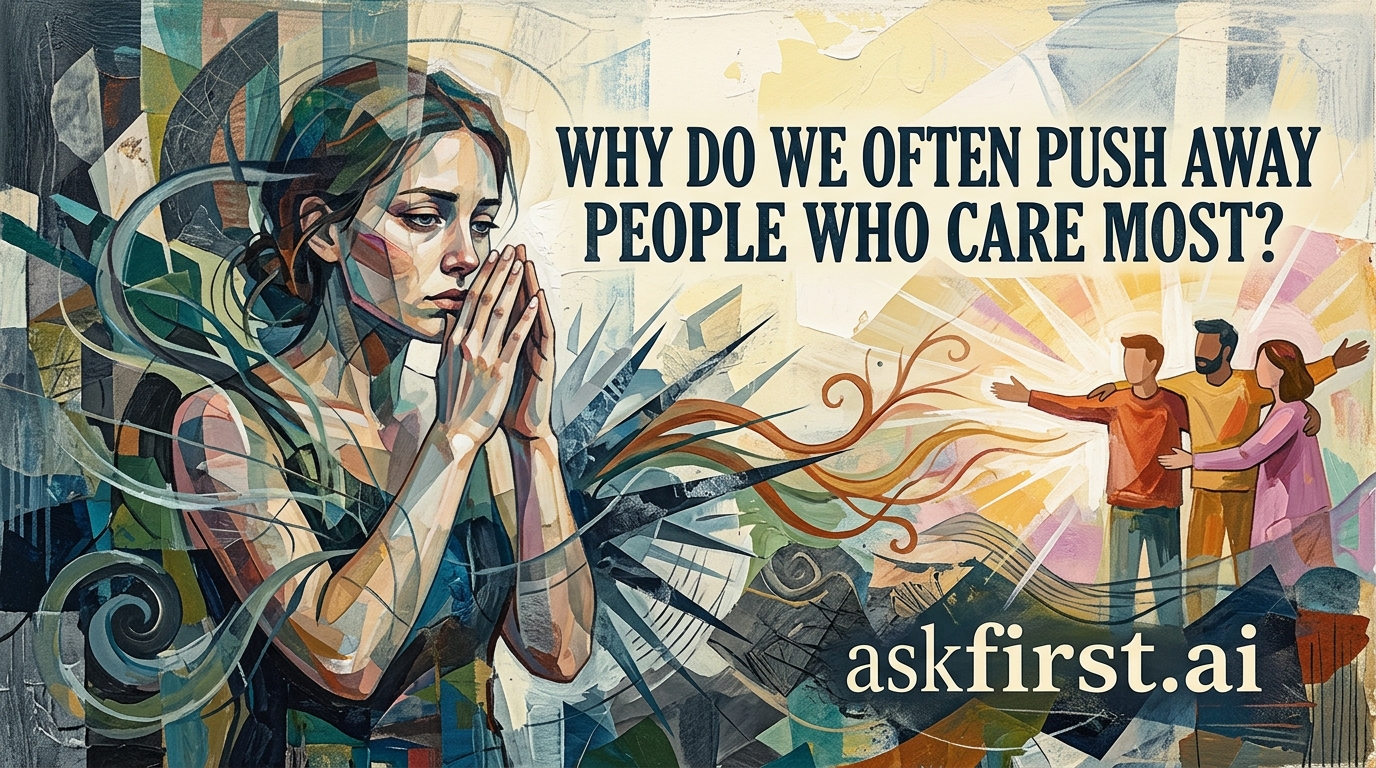
The Psychology of Self-Sabotage
Human behavior often defies logic, especially in intimate relationships. Pushing away those who care most is frequently a protective mechanism rather than a sign of malice. Understanding this phenomenon requires examining the subconscious drivers behind our social choices.
Core Psychological Drivers
- Fear of Vulnerability: When someone expresses deep affection, the stakes of rejection become significantly higher. The mind may initiate distance to maintain a sense of control.
- Attachment Styles: Individuals with avoidant attachment patterns often equate intense emotional closeness with a loss of personal autonomy, triggering a retreat to restore balance.
- The Unworthiness Trap: Low self-esteem can lead to the subconscious belief that affection is unearned. Rejecting care functions as a way to avoid the perceived eventual disappointment of being found lacking.
Breaking the Cycle
Recognizing these triggers is the first step toward building stronger bonds. By acknowledging that distance is often a defense mechanism, individuals can learn to communicate their needs for space without invalidating the care provided by others. Cultivating emotional intelligence helps transform reflexive avoidance into intentional connection.