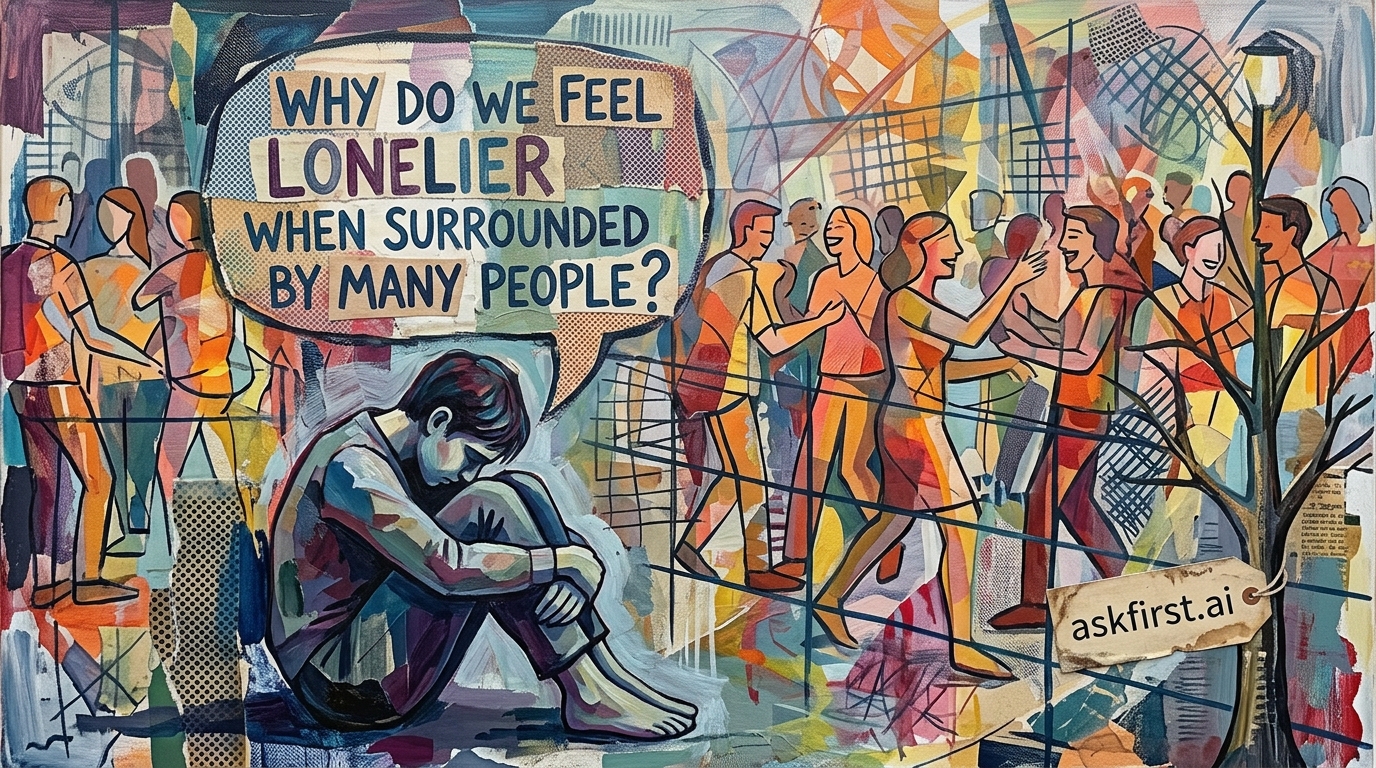
The Paradox of Social Isolation
Feeling alone in a crowded room is a fascinating psychological phenomenon often referred to as the 'loneliness paradox.' It highlights that loneliness is not a lack of people, but a lack of perceived connection.
Core Drivers of This Experience
- Surface-Level Interactions: When surrounded by acquaintances rather than deep connections, the mind perceives a lack of intimacy, triggering feelings of isolation despite physical proximity.
- Social Comparison: In group settings, individuals often compare their internal states to the seemingly happy exteriors of others, leading to a sense of alienation.
- The Quality vs. Quantity Gap: Biological and psychological needs are predicated on meaningful engagement. Research indicates that one authentic conversation is significantly more fulfilling than being surrounded by hundreds of superficial interactions.
Strategies for Authentic Connection
- Prioritize Depth: Shift focus from being social to being present. Engage in active listening to foster genuine bonds.
- Acknowledge the Feeling: Recognize that this sensation is a biological cue to seek deeper community, not a reflection of individual social status.
- Curate the Environment: Surround oneself with individuals who foster vulnerability and understanding rather than just noise and distraction.