The Psychology of Familiarity
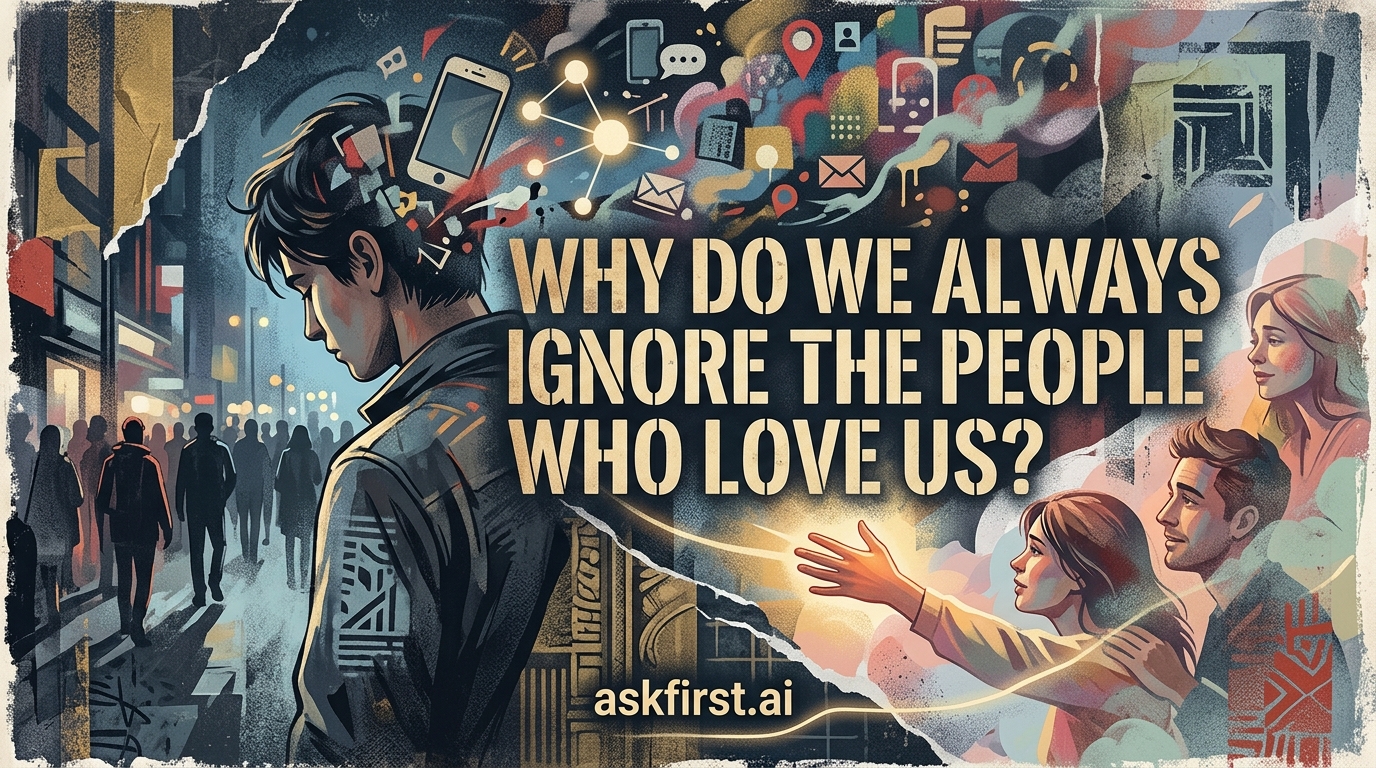
The tendency to overlook those who show consistent affection is rooted in several profound psychological phenomena. Understanding these mechanisms helps transform relationships from automatic routines into intentional connections.
The Hedonic Adaptation Effect: Humans naturally return to a baseline level of happiness despite positive changes. When love is constant, the brain categorizes it as a predictable environmental factor rather than a reward, leading to diminished appreciation.
The Certainty Bias: In many instances, the brain prioritizes novelty and uncertainty over stability. Because the loyalty of a loved one is perceived as guaranteed, attention naturally shifts toward mysterious or unpredictable challenges that offer a sense of discovery.
Strategies for Reconnection
To combat this innate behavioral drift, consider these proactive shifts:
1. Practice Conscious Gratitude: Actively list three specific traits appreciated in a partner every day to counteract the negativity bias.
2. Pursue Novelty Together: Engage in new hobbies or environments to stimulate the brain’s dopamine reward pathways alongside the person who loves you.
3. Validate the Relationship: Shift the perspective from expecting love to treating it as a dynamic resource that requires ongoing maintenance and reciprocal effort.