The Power of the Ink: Understanding Contractual Obligations
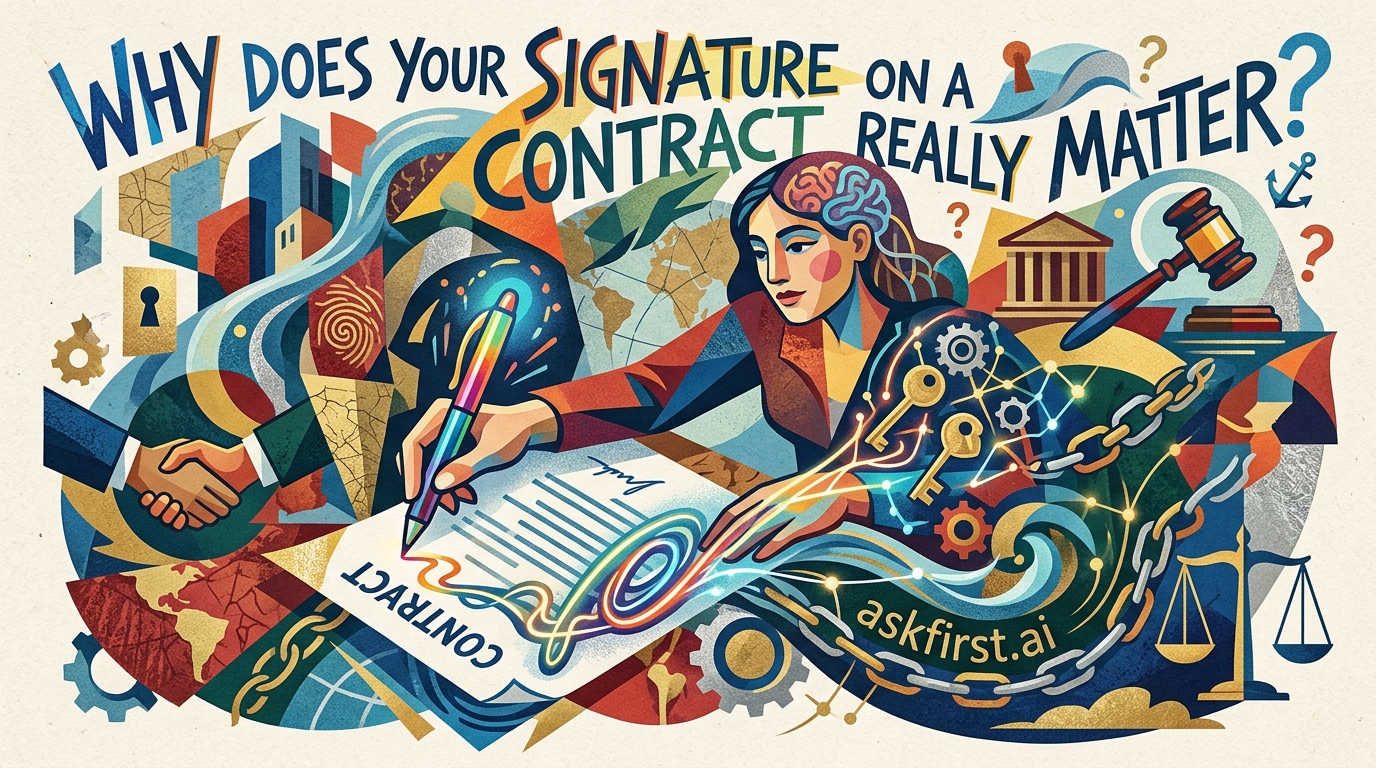
In the modern world, the act of signing a document is often performed with casual indifference. Whether clicking an "I Agree" button on a website or scribbling a name onto a paper lease, the human brain often ignores the profound legal implications of that singular motion. A signature is far more than an aesthetic representation of one’s identity; it is the ultimate psychological and legal bridge between private intent and public obligation. By signing a contract, an individual effectively transmutes their personal autonomy into a binding commitment that the legal system is sworn to uphold.
The Legal Architecture of Consent
At its core, a contract is an agreement that the law recognizes as enforceable. When a signature is applied, it serves as the definitive evidence of "manifestation of assent." Jurisdictions globally follow the principle that once an individual signs a document, they are presumed to have read, understood, and agreed to its terms, a concept known as the "duty to read." This creates a powerful legal presumption that the signatory accepts the risks, duties, and conditions outlined in the document, regardless of whether they were actually perused.
- Intent to be Bound: A signature demonstrates the objective intent to enter into a legal relationship.
- Evidence of Authenticity: It functions as a unique identifier, linking the specific individual to the document's contents.
- Allocation of Risk: Signing shifts the burden of performance or payment onto the signatory, protecting the other party from future ambiguity.
Psychological and Symbolic Weight
Beyond the courtroom, the act of signing carries significant psychological gravity. Historically, seals and wax impressions were utilized to signal power and immutable truth. Even today, the physical or digital movement of signing creates a "commitment effect." Social psychology suggests that once an individual takes a public stand through their signature, they are statistically more likely to act in accordance with that commitment to avoid cognitive dissonance. The signature is not just a mechanism of law; it is a mechanism of human consistency.
When Myths Meet Reality
There is a pervasive myth that signing "under protest" or adding qualifiers somehow negates the enforceability of a contract. In reality, such markings are often legally meaningless and can sometimes create confusion or breach of contract scenarios. Furthermore, the belief that "small print" is unenforceable is largely a fallacy. Courts generally view clear, conspicuous, and signed terms as binding, provided they do not violate public policy or statute. The signature serves as a waiver of the right to claim ignorance, placing the burden of due diligence squarely on the signatory.
The Digital Evolution of the Signature
As the world transitions into a paperless era, the importance of the signature has not diminished; it has transformed into something arguably more sophisticated. Electronic signatures, governed by laws such as the E-SIGN Act in the United States or eIDAS in the European Union, carry the same legal weight as traditional wet-ink signatures. These digital manifestations provide cryptographic verification, ensuring that the integrity of the document remains intact from the moment of signing. This technological leap emphasizes that the functional value of the signature—the verification of agreement—is what matters, rather than the physical medium itself.
Protecting Your Future
The reason a signature matters is that it represents an irreversible delegation of personal agency. When you sign, you are creating a private law for yourself and the counterparty. If disputes arise, the document becomes the primary source of truth for a judge or arbitrator. Because the law prioritizes the "four corners" of the contract—the written agreement itself—external promises or verbal assurances often hold little weight if they contradict what has been signed.
- Check the Scope: Understand exactly what rights you are granting away.
- Negotiate Terms: Never assume a contract is non-negotiable; silence is acceptance, but questions can lead to adjustments.
- Keep Records: Always retain a copy of what you have signed to hold others accountable to their end of the bargain.
Conclusion
Ultimately, a signature is the key that unlocks or restricts one's future choices. Whether it is a business deal, a rental agreement, or an employment contract, the act of signing is the single most significant legal action an individual takes in everyday life. By respecting the gravity of the ink—or the digital bit—individuals protect their assets, their reputation, and their autonomy. A contract is not merely a formality; it is a blueprint for future conduct, and the signature is the final affirmation that the blueprint has been accepted.