The Astrological Foundation of Attraction
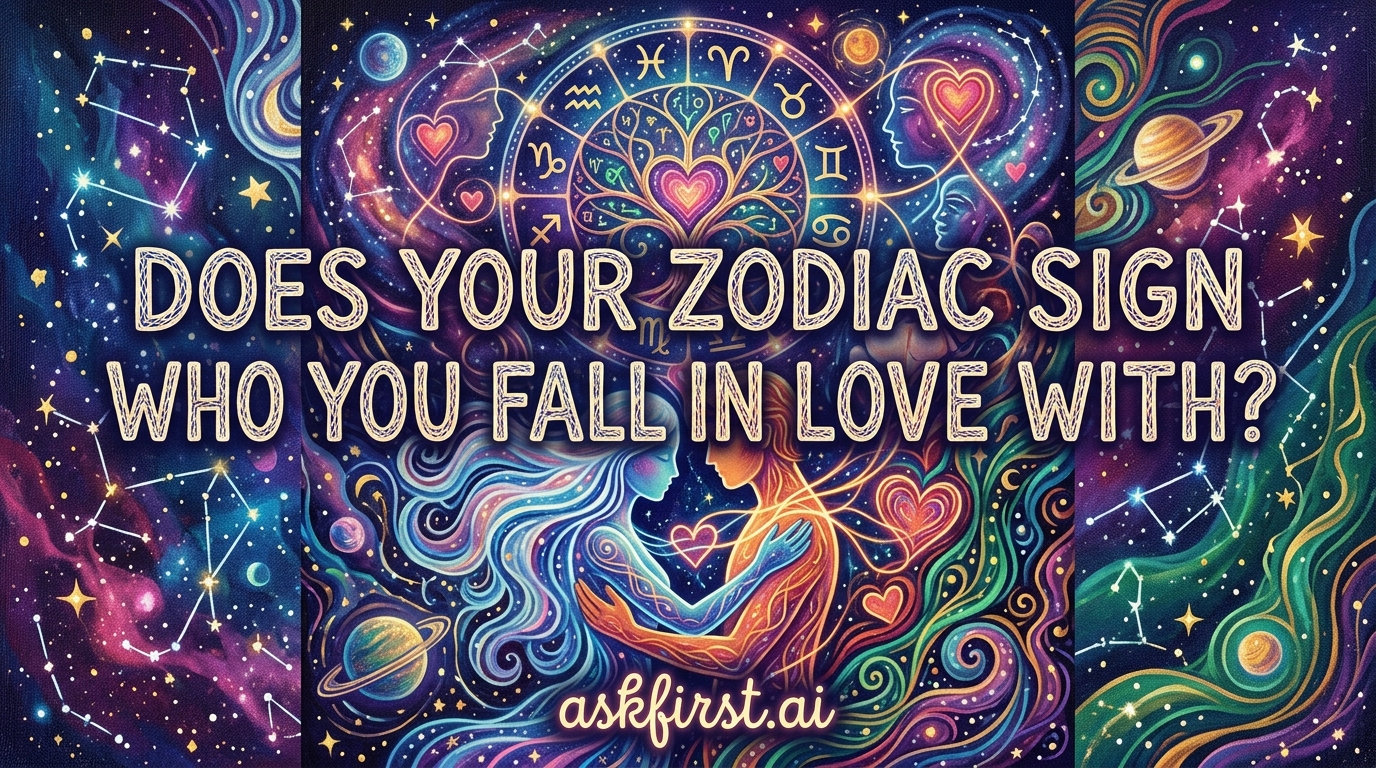
Determining whether zodiac signs influence romantic compatibility is a pursuit that blends ancient tradition with the modern search for human connection. In astrology, the study of synastry—the comparison of two birth charts to determine the harmony between individuals—suggests that celestial alignments at the moment of birth create unique personality blueprints. When two individuals interact, their elemental archetypes (Fire, Earth, Air, and Water) engage in a dance of compatibility that enthusiasts believe predicts emotional, intellectual, and physical attraction.
The Elemental Dynamics
The most fundamental layer of this influence lies in the elemental triplicities. Astrology posits that signs within the same element often possess a natural, instinctual understanding of one another:
- Fire Signs (Aries, Leo, Sagittarius): Known for passion, impulsivity, and high energy. Relationships between fire signs are often characterized by dynamic excitement and a shared hunger for exploration.
- Earth Signs (Taurus, Virgo, Capricorn): Grounded, practical, and security-oriented. These individuals often gravitate toward partners who offer stability and tangible proof of affection.
- Air Signs (Gemini, Libra, Aquarius): Intellectual, communicative, and social. Their connections are fueled by witty banter, shared ideas, and mutual respect for personal space.
- Water Signs (Cancer, Scorpio, Pisces): Intuitive, emotional, and deep. For these signs, love is a profound merging of souls, necessitating emotional transparency and vulnerability.
Modalities and the Push-Pull Factor
Beyond elements, the modalities (Cardinal, Fixed, and Mutable) play a crucial role in relationship longevity. Cardinal signs initiate action, Fixed signs provide endurance, and Mutable signs thrive on adaptation. A relationship between a 'Fixed' sign and a 'Mutable' sign can provide the perfect balance of stubborn loyalty and necessary flexibility. Psychological theories of attraction often mirror these astrological observations, noting that humans are frequently drawn to 'complementary' personality traits—individuals who possess strengths that we personally lack.
Scientific Perspectives vs. Symbolic Systems
While empirical science does not recognize the gravitational pull of stars as a mechanism for human psychology, the cultural prevalence of zodiac compatibility functions as a powerful heuristic. From a sociological perspective, the zodiac acts as a 'social shortcut' for understanding human complexity. By engaging with these archetypes, individuals are encouraged to analyze their partner’s needs, communication styles, and triggers. This process, regardless of its astronomical accuracy, often leads to improved self-awareness and better conflict resolution.
Debunking the Fatalistic Myth
It is vital to distinguish between influence and predestination. Astrology is a symbolic language, not a rigid script. Many experts argue that the 'influence' of a zodiac sign on love is more about the psychological frame of reference it provides. When someone believes their partner is a 'stubborn Taurus,' they may approach conflicts with more patience, assuming the behavior is inherent rather than a personal slight. This psychological shift, often referred to as a cognitive reframing, can significantly influence the success of a romantic union. Love, ultimately, is a choice made by individuals who possess free will, regardless of the celestial configuration under which they were born.
Compatibility in the Modern Era
In the digital age, zodiac signs have become a common filter for interpersonal connection. Applications and matchmaking platforms frequently utilize astrological data to suggest matches. This trend reflects a broader human desire for meaning in the face of random chance. When users identify their signs, they are essentially signaling their emotional 'operating system.' Compatibility, therefore, is not found in the stars themselves, but in the willingness of two people to bridge their differences through the lens of their unique archetypal identities.
Conclusion
Whether or not the stars dictate the path of the heart remains a question of belief, but the utility of zodiac signs in fostering deeper human understanding is undeniable. By providing a structured framework for exploring personality, the zodiac serves as a mirror, helping individuals recognize their own needs and the needs of those they choose to love. The influence of the zodiac, then, is a collaborative effort between the cosmic symbol and the human spirit.