The Psychology of Parasocial Relationships
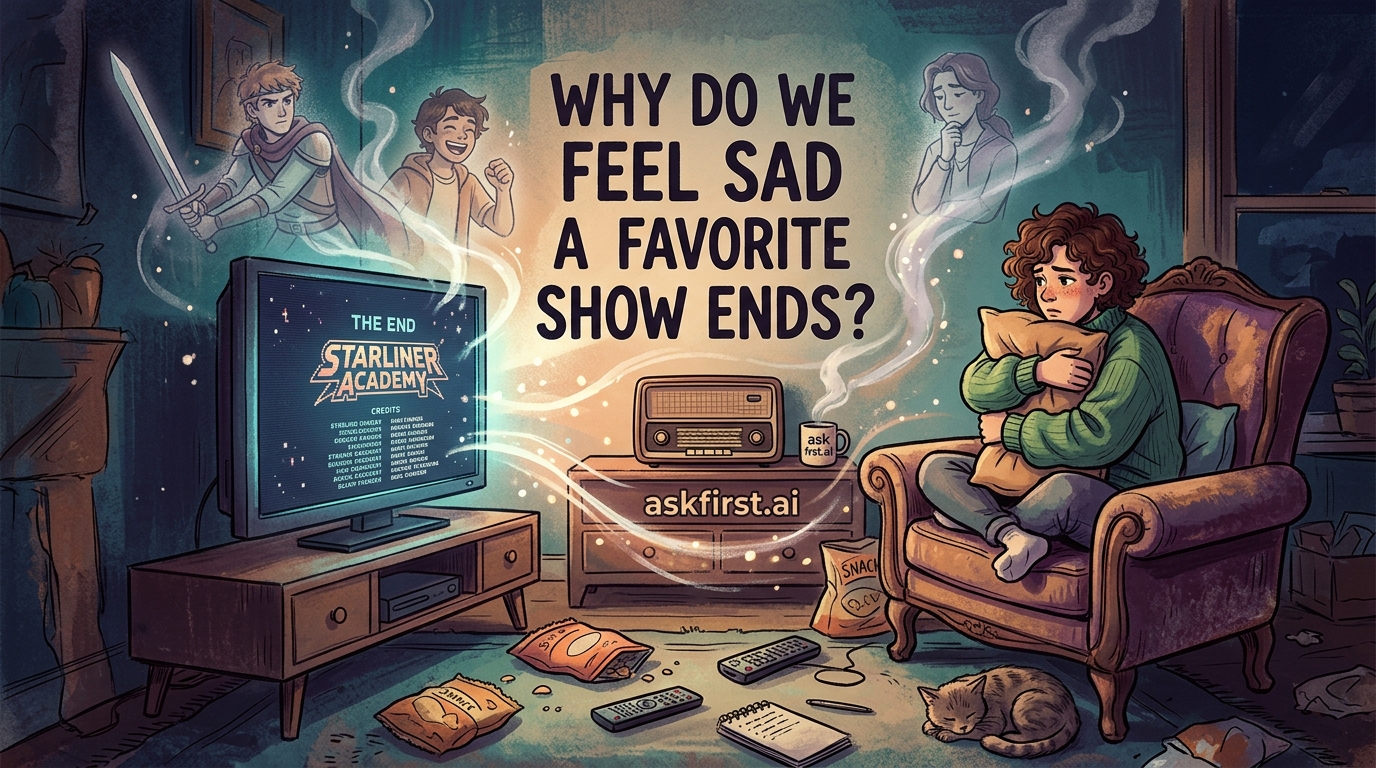
When a favorite television series reaches its conclusion, many individuals experience a profound sense of melancholy that mirrors the loss of a real-world social connection. This phenomenon is deeply rooted in the concept of parasocial relationships. These are one-sided emotional bonds that viewers form with fictional characters. Because the human brain is evolutionarily wired to seek social cohesion, it often struggles to distinguish between the emotional presence of a long-term fictional companion and a physical person within a social circle. When a show ends, the brain effectively registers the sudden silence of these characters as a disruption in a regular social routine, triggering a genuine grief response.
The Neurochemistry of Binge-Watching
Long-running shows often become a consistent source of dopamine release. The anticipation of an episode, the resolution of a conflict, and the predictable rhythms of a beloved narrative arc create a neurological loop of pleasure. Researchers note that when a narrative arc concludes, the sudden drop in this habitual dopamine stimulus can result in a withdrawal-like state. The brain has adapted to the structure of the show as a 'safe' environment where problems are resolved in thirty to sixty minutes. The removal of this structure removes a vital coping mechanism that many use to de-stress after a workday.
Narrative Immersion and Cognitive Transport
The phenomenon known as Transportation Theory explains that when viewers become highly absorbed in a show, they are 'transported' into the world of the characters. During this state, the viewer's psychological boundaries blur. The environment of the show becomes a mental 'third place'—a concept in sociology describing social surroundings separate from home and work. Losing this world is akin to moving away from a favorite neighborhood or finishing a life chapter. The sadness is not just about the characters; it is about the loss of the mental refuge that the world provided.
The Impact of Serialized Storytelling
Unlike episodic shows that reset every week, serialized dramas provide a sense of long-term development. Viewers watch characters grow, learn, and struggle over months or years. This creates a phenomenon called cumulative emotional investment. According to the Investment Model of Relationships, the more time and emotional energy a person invests in a bond, the more painful the cessation of that bond feels. With serialized TV, the sheer time investment creates a psychological contract that makes the ending feel like a breach of continuity.
Strategies for Navigating 'Post-Series Blues'
Understanding why this sadness occurs can help in managing the transition when a show concludes. Experts suggest several psychological strategies to mitigate the negative effects of the 'series finale hangover':
- Active Engagement: Rather than retreating into sadness, engage with fan communities. Sharing theories and discussions validates the emotional experience and keeps the social bond active within a group of like-minded fans.
- The 'Transition Show' Technique: Instead of jumping into another heavy drama, opt for something with a completely different tone or structure to break the cognitive link to the previous show.
- Reflective Journaling: Writing about the lessons learned or the ways characters inspired personal growth can help solidify the positive aspects of the experience, shifting the focus from 'loss' to 'gratitude'.
- Real-World Reconnection: Recognize that the feeling is a signal of the need for social belonging. Redirecting that energy toward real-world hobbies or social interactions can quickly bridge the gap.
The Evolutionary Value of Fiction
Why does the brain care so much about imaginary people? From an evolutionary perspective, storytelling was the primary method for social learning and empathy training. By 'living' through characters, humans practice emotional intelligence and social problem-solving without the real-world risks. The sadness felt when a show ends is merely the cost of a high-functioning empathy system. It is evidence that the capacity to form deep, meaningful connections is not limited to physical proximity. While the show may have ended, the psychological impact and the perspective gained remain a permanent part of the viewer's emotional toolkit, proving that fiction is never just entertainment—it is a rehearsal for life.