The Psychology of Post-Series Melancholy
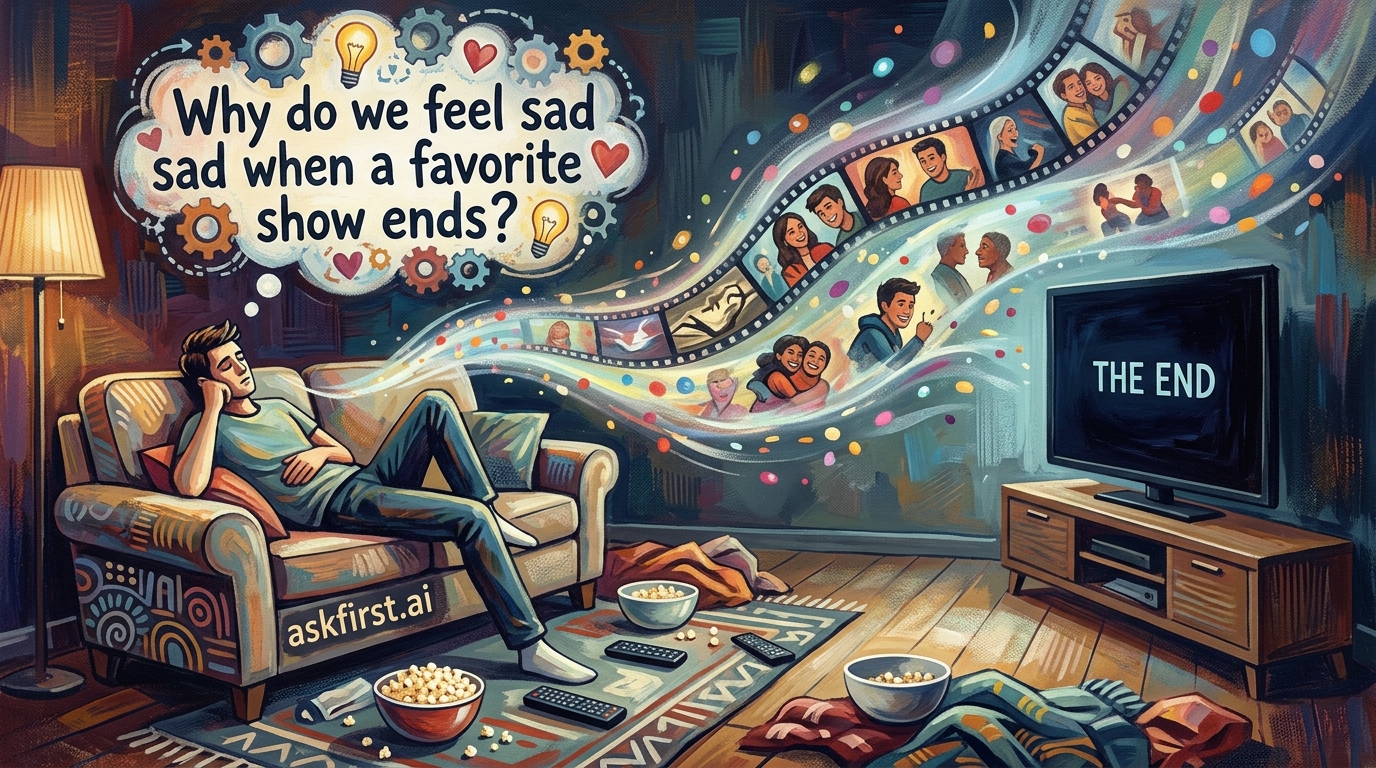
When the credits roll on a beloved television series, many viewers experience a profound sense of emptiness, often referred to as 'Post-Series Depression' (PSD). While not a clinical diagnosis, this phenomenon is rooted in legitimate psychological principles. It represents a significant disruption in the social and cognitive habits established during the viewer's consumption of the narrative. To understand why this happens, one must examine the intersection of parasocial relationships, cognitive dissonance, and the biology of reward.
The Parasocial Connection
At the core of this sadness is the concept of parasocial relationships. These are one-sided emotional bonds formed between audience members and characters in the media. Over the span of multiple seasons, the brain becomes accustomed to the presence of these figures. The human brain is evolutionarily hardwired for social connection; it often struggles to distinguish between the 'real' people in our lives and the 'fictional' characters we engage with daily. When a show concludes, the brain perceives this as the sudden disappearance of close companions, triggering a reaction akin to social loss or mild grief.
The Impact of Routine and Ritual
Modern entertainment is integrated into the rhythm of daily existence. Viewers develop rituals—watching an episode during dinner, winding down before bed, or discussing theories with friends. These patterns provide structure and a sense of predictability. When a series concludes, this routine is abruptly shattered, leaving a 'temporal void' in the schedule. This disruption of habit acts as a shock to the system, manifesting as a feeling of restlessness or purposelessness until a new routine is adopted.
Cognitive Dissonance and Narrative Closure
Human beings possess an innate desire for resolution. We are storytelling creatures who seek patterns and closure in all aspects of life. A long-running show provides a complex, evolving narrative arc that serves as a distraction from the stresses of reality. When the show ends, the viewer is forcefully brought back to the mundanity of everyday life. This transition—often referred to as 're-entry'—creates a psychological discomfort. The lack of an ongoing, stimulating narrative landscape feels like a loss of an alternate reality that provided mental enrichment.
The Dopamine Cycle and Rewards
Engaging with a favorite show triggers the release of dopamine in the brain’s reward system. Each episode serves as a small 'hit' of emotional satisfaction, curiosity, and excitement. As the series nears its end, the anticipation of future episodes diminishes. The brain, which has become habituated to this consistent dopamine flow, experiences a withdrawal-like state. The transition from high-stakes storytelling to a lack of ongoing narrative input causes a temporary dip in mood until the neurochemical baseline stabilizes.
How to Navigate the Post-Show Transition
To manage these feelings, experts often suggest several healthy strategies:
- Acknowledge the Feeling: Recognize that the sadness is a testament to the show’s quality and your capacity for emotional engagement. It is a sign of a healthy imagination, not a personal flaw.
- The 'Palate Cleanser' Strategy: Instead of jumping into another heavy, long-running drama, try a different genre entirely. A shift from a deep, serialized epic to a lighthearted sitcom can break the lingering emotional cycle.
- Engage with the Community: Discussing the show on forums or social media allows for a communal 'goodbye' to the narrative, which can provide a stronger sense of closure.
- Reflect on the Impact: Consider what the story taught or how it inspired new perspectives. Focusing on the intellectual growth gained from the media can turn a moment of loss into a moment of appreciation.
Why This Phenomenon is Universal
This experience is a modern manifestation of our collective love for myth-making. Since the dawn of humanity, people have gathered around fires to listen to epic tales. Television has simply evolved into the digital 'campfire' of the 21st century. The sadness felt upon the conclusion of a series is essentially the same emotion our ancestors felt when the final chapter of a great oral tradition was told. It proves that despite technological advancements, the human need for connection through storytelling remains unchanged and essential to our well-being.