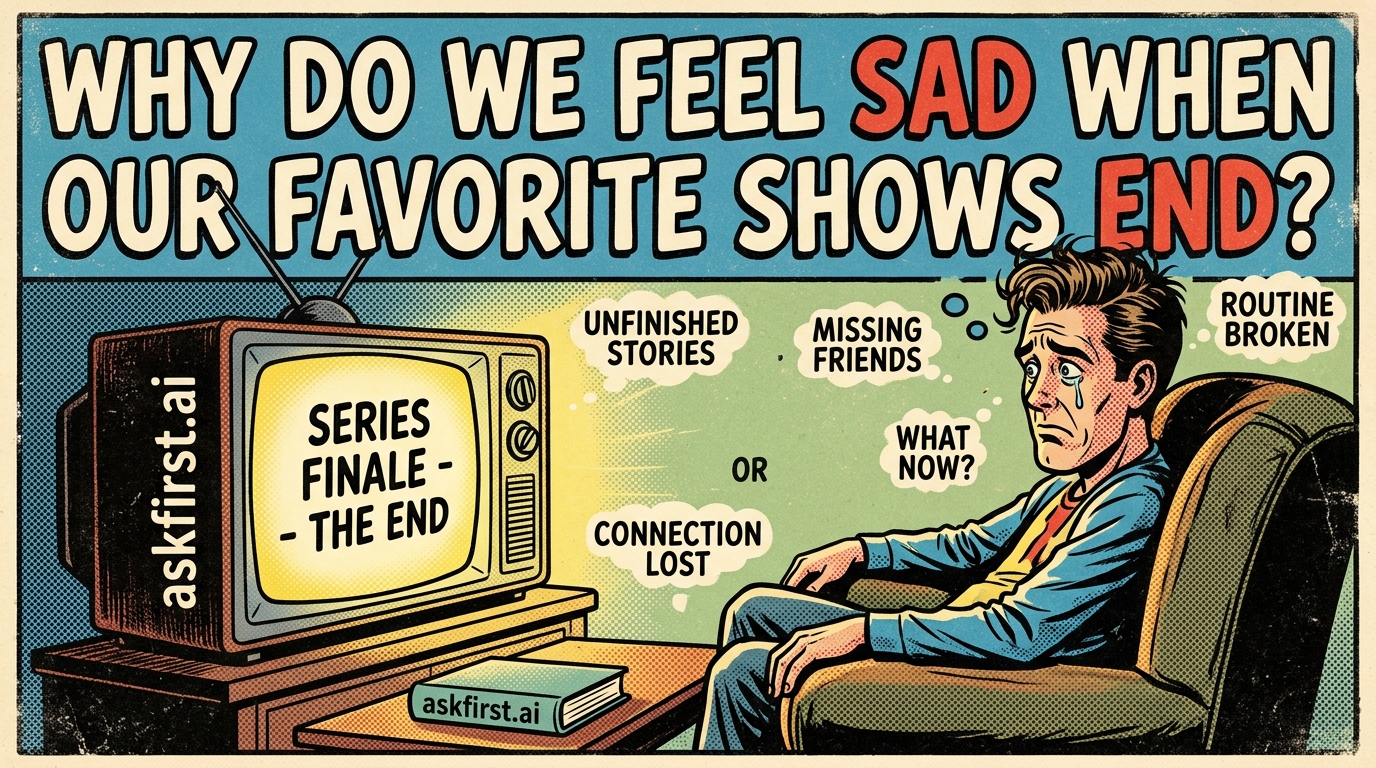
The Psychology of Post-Series Melancholy
Experiencing a profound sense of emptiness, often termed 'Post-Series Depression' (PSD), after concluding a beloved television show is a psychological phenomenon that transcends mere hobbyism. This emotional reaction is rooted in complex neural mechanisms that govern how humans build relationships, process narrative arcs, and manage identity. When a viewer invests hundreds of hours into a fictional world, the brain struggles to distinguish between these mediated connections and genuine social experiences.
The Parasocial Relationship Framework
At the core of this feeling lies the parasocial relationship. This psychological concept describes one-sided relationships where an individual extends emotional energy, interest, and time to a media persona or a character. Because the human brain evolved to process social interaction through repeated exposure and shared narratives, the consistent viewing of characters serves as a surrogate for real-world social engagement. When the show ends, the brain perceives this as a permanent social severance, triggering a genuine grief response similar to the loss of an acquaintance.
Cognitive Anchoring and Narrative Immersion
Viewers often engage in deep narrative immersion, where the fictional world becomes an anchor for cognitive focus and emotional regulation. Television shows provide a predictable, structured environment that allows viewers to escape the chaotic nature of reality.
- Routine Disruption: The habit of watching an episode provides a stable "time-marker" in daily schedules. Its cessation leaves a structural void that feels jarring.
- Emotional Compensation: Many individuals use shows to process their own life stresses. The resolution of a show removes a coping mechanism, leaving the individual temporarily vulnerable.
- Identity Extension: Long-term fans often incorporate the values, aesthetics, or even speech patterns of the show into their own identities, making the finale feel like a partial loss of self.
The Neurobiology of Completion
From a neurobiological standpoint, the brain craves closure. Episodic storytelling creates a series of dopamine-reward loops, where every episode acts as a promise of continuation. When that promise is broken—not by a transition to a new season, but by a final, definitive conclusion—the brain experiences a sudden drop in reward-based neurochemicals. This 'dopamine crash' is medically comparable to the withdrawal symptoms experienced during the cessation of other high-stimulation habits. The lack of an anticipated 'next episode' leaves the neurochemical pathways that have been conditioned for excitement without their primary stimulus.
The Role of 'Psychological Home'
For many, a favorite show represents a 'psychological home'—a place where the rules are understood and the characters remain constant, even when the real world feels unpredictable. Research into social psychology suggests that humans rely on these environments to facilitate social surrogate theory. When a series concludes, the 'home' is closed. The viewer is forcibly evicted from a familiar landscape. This creates a cognitive dissonance: the viewer knows the world is fictional, yet the emotional feedback loop remains locked into the patterns of the reality created by the screen.
Mitigating the Emotional Aftermath
Understanding the mechanics behind this sadness can help mitigate its impact. Experts suggest several strategies for recalibrating after a series finale:
- The 'Bridge' Approach: Moving into an analysis phase, such as reading behind-the-scenes material or listening to show-related podcasts, allows for a gradual psychological decoupling from the narrative.
- Symbolic Substitution: Recognizing that the sadness is a testament to the show’s quality can turn a negative experience into an appreciation for art.
- Real-World Reciprocity: Redirecting the emotional energy invested in characters toward real-world community building or creative pursuits helps the brain re-engage with social reality.
Ultimately, feeling sad when a show ends is a healthy sign of human capacity for connection. It highlights the profound power of storytelling to bridge gaps between reality and imagination. As long as humans possess the biological drive for narrative closure and community, the end of a cherished series will remain a bittersweet milestone in the viewer's experience, proving that the lines between fiction and reality are thinner than logic would suggest.