The Dichotomy of Cinematic Consumption: Solo versus Social
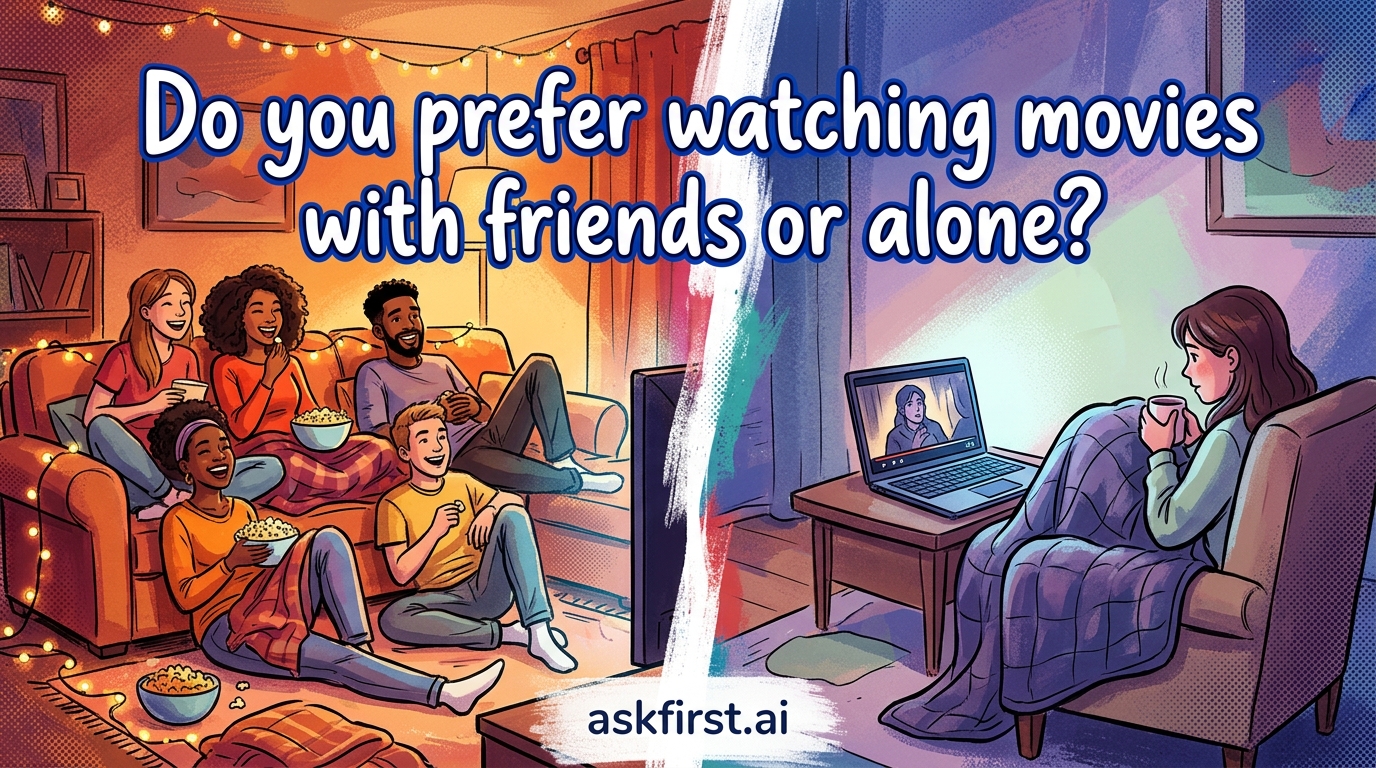
The act of watching a motion picture is fundamentally an exercise in emotional and intellectual investment. Whether one chooses to engage with a narrative in the company of others or in solitary reflection changes the nature of the experience entirely. This analysis explores the psychological, physiological, and social dimensions of both consumption styles to determine the optimal approach for various genres.
The Solitary Cinematic Experience: A Deep Dive into Immersion
When a viewer engages with a film in solitude, they enter into an unmediated relationship with the artwork. This is defined by 'Deep Immersion' or the state of 'Flow.' Without the peripheral influence of social dynamics, the brain is free to devote its full processing power to narrative arcs, cinematography, and symbolic resonance.
- Psychological Benefits: Solitude fosters introspection. It allows for the unrestricted processing of complex themes without the pressure to perform reactions for a social group. Studies in cognitive psychology suggest that silent contemplation following a film helps consolidate memory and emotional regulation.
- Artistic Appreciation: Complex films, particularly those with non-linear storytelling or dense symbolism, benefit significantly from solo viewing. The absence of conversational distraction allows the brain to track intricate narrative threads more effectively.
- The Myth of Loneliness: It is vital to distinguish between solitude and isolation. Solitude is a proactive choice that enhances the sensory intake of the medium, whereas isolation refers to a lack of social connection. Solo cinema-going is an intentional act of self-care and artistic appreciation.
The Social Cinematic Experience: Shared Meaning and Social Glue
Watching a film in a group setting creates a phenomenon known as 'Synchronized Affect.' When multiple individuals view the same stimulus, their neurological responses—specifically heart rate variability and cortisol levels—can align. This creates a powerful bond between viewers.
- The Power of Collective Laughter and Tension: The 'Laughing Effect' is heightened in groups; humor is a social signal, and group settings amplify the release of endorphins. Similarly, shared tension (as seen in horror or suspense films) creates a feeling of 'group cohesion.' This is the primary driver of the theater experience.
- The Post-Film Discourse: Arguably the most valuable aspect of watching a movie with friends is the post-viewing discussion. This dialogue functions as a 'collective sense-making' activity, where different perspectives patch together a broader understanding of the film’s themes, cultural commentary, and technical nuances.
Selecting the Environment: A Practical Guide
Determining whether a film demands a solo or social environment often comes down to the nature of the film itself:
- High-Complexity Drama: These narratives are best served by solitary viewings. Works by directors like Tarkovsky or Lynch, which require high levels of sustained concentration, are easily disrupted by casual conversation or social interruptions.
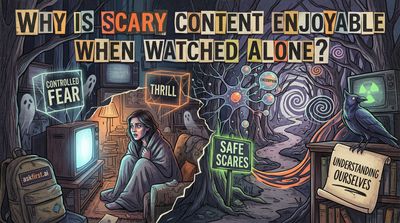
- Genre Cinema and Comedy: These are inherently social experiences. The goal of comedy is communal laughter, and the goal of horror is often a communal thrill. Watching these films alone can sometimes diminish their intended impact because the social feedback loop is absent.
- Documentary and Historical Context: These films act as catalysts for debate. They are arguably at their best when watched in small groups where background knowledge can be shared to illuminate the subject matter.
The Science of Social Facilitation
Social Facilitation theory posits that the presence of others can alter performance and perception. In the context of movies, a companion acts as a 'social mirror.' When a companion reacts to a film, that reaction often serves as a cue for the other person, shaping their own emotional interpretation of the scene. This can lead to a more intense experience, but it may also cloud critical judgment. Conversely, watching alone allows for a pure, uninfluenced opinion, preventing the 'Bandwagon Effect' where one might agree with a friend's positive or negative critique merely to maintain group harmony.
Conclusion: Intentionality is Key
The decision to watch a movie alone or with others should not be incidental; it should be intentional. Solitude offers precision, depth, and psychological stillness. Society offers connection, shared joy, and the refinement of ideas through discourse. The ideal cinephile balances both, understanding that the social setting transforms a film into a communal experience, while the solo setting transforms it into an intimate personal journey. By choosing the environment that aligns with the film’s intent, the viewer ensures that the medium of cinema reaches its full, multidimensional potential.