The Complex Dynamics of Workplace Romance: Risks and Realities
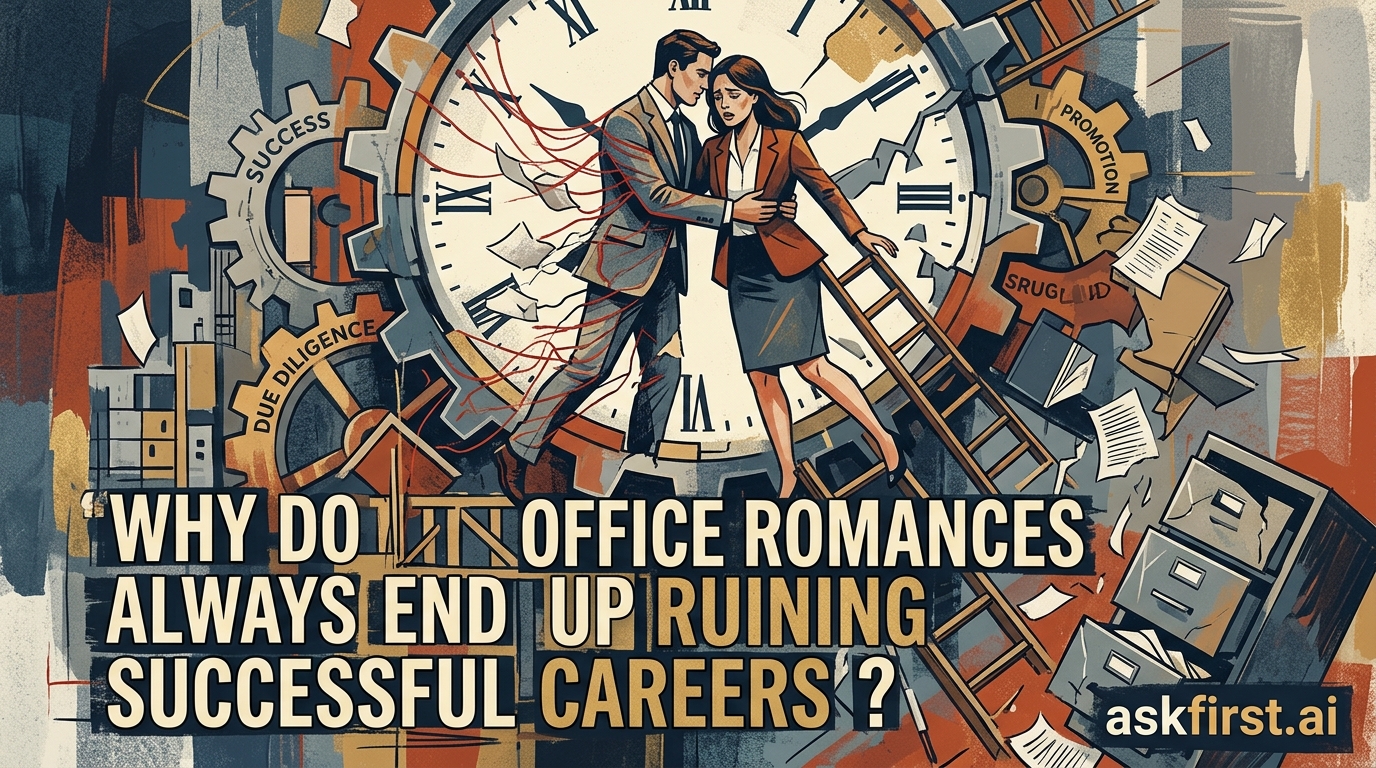
Workplace romances are often perceived as a volatile mix of personal attraction and professional ambition. While the allure of sharing an office environment with a romantic partner can seem convenient, the underlying mechanics of organizational psychology suggest that these relationships carry systemic risks that can threaten long-term career trajectories. Understanding why these dynamics often falter requires looking at power structures, perceptions of favoritism, and the loss of objective professional judgment.
The Power Imbalance and Perceived Favoritism
One of the most significant challenges in an office romance is the perception of bias. In any corporate structure, colleagues are constantly evaluating fairness in promotions, workload distribution, and project assignments. When two individuals involved in a relationship work within the same reporting chain or department, their peers and superiors often assume that professional boundaries have been breached. Even if the relationship is entirely professional in practice, the mere appearance of impropriety can undermine the authority of a manager and the credibility of a direct report.
- Erosion of Trust: Colleagues may become hesitant to share candid feedback or collaborate openly, fearing that their words will be filtered through the romantic partner. This leads to information silos.
- Fairness Concerns: Performance reviews are subjective by nature. A romantic partner providing input on an individual’s work creates an inherent conflict of interest that HR departments and stakeholders find difficult to navigate.
Emotional Spillover and Professional Judgment
Cognitive psychology highlights the concept of "emotional spillover," where personal life issues inevitably bleed into professional performance. While non-romantic colleagues also face personal stressors, the intense emotional highs and lows associated with a new or struggling relationship are particularly distracting. The inability to compartmentalize personal conflict when working in close proximity can lead to a degradation in professional focus. When personal disagreements occur, they often manifest as passive-aggressive communication, reduced productivity, or withdrawal from team efforts. This shift is frequently noticed by management, who are then forced to address behavioral changes rather than core job performance, inevitably shifting the focus away from a promotion-ready track.
The Fallout of Relationship Dissolution
Statistically, many workplace relationships do not end with the same professional discretion with which they began. The end of a romantic connection often results in a "post-breakup environment" that can be deeply toxic. If an organization does not have robust conflict resolution processes, the emotional fallout can lead to:
- Workplace Alienation: One or both parties may feel uncomfortable continuing their duties, leading to absenteeism or resignation.
- Reputational Damage: Often, gossip spreads quickly, painting one party as the "problem" regardless of the reality of the situation. This can force a top-performing individual to leave the firm to restore their reputation.
- Legal Implications: In some jurisdictions or corporate cultures, blurred lines between personal and professional interactions can lead to accusations of harassment or hostile work environments, particularly if there was any discrepancy in rank.
Strategic Career Management
To preserve a successful career, professionals must weigh the short-term satisfaction of a workplace romance against long-term career aspirations. Successful individuals often recognize that career stability is built on professional networking, reputation, and objective evaluation. When a relationship enters the workspace, these three pillars are immediately vulnerable.
Research in organizational behavior suggests that "romantic autonomy"—the ability to keep personal life separate from professional life—is difficult to maintain in high-pressure environments. When the boundaries between the desk and the heart blur, the capacity for clear-headed decision-making often suffers. Ultimately, while love itself is not a negative trait, the lack of professional "firewalling" is what turns a blossoming romance into a career-threatening obstacle. Professionals who value their long-term growth typically advocate for maintaining a clear distinction between social connections and corporate hierarchies to ensure that their career trajectory remains solely in their own hands, rather than being dictated by the fluctuating dynamics of a private relationship.