The Neuro-Chemical Trap of Morning Rituals
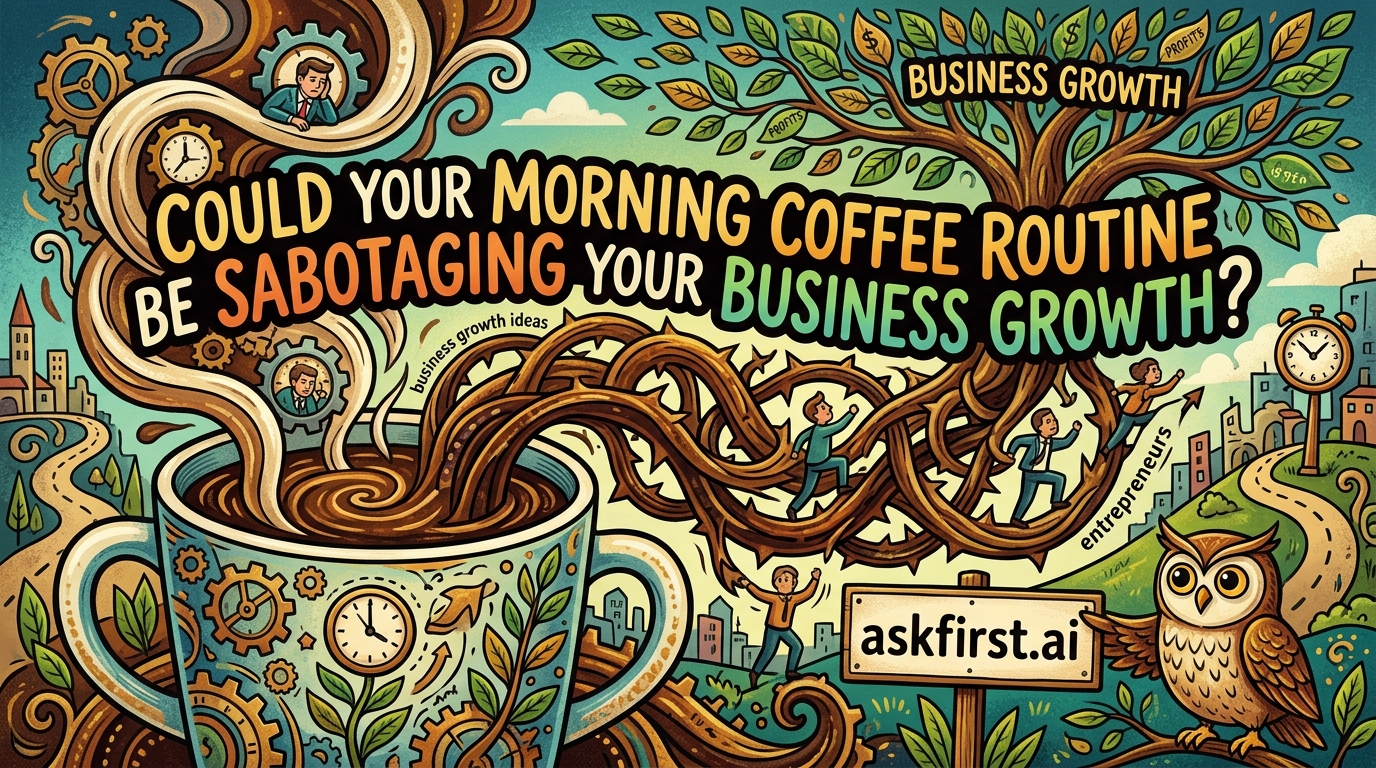
Many entrepreneurs view the morning cup of coffee as a sacred ritual, a gateway to productivity, and an essential fuel for conquering the day. However, recent insights into human circadian biology and neurochemistry suggest that the timing and consumption habits surrounding caffeine might be actively working against long-term business performance. While coffee serves as a potent stimulant, the biological reality of how cortisol interacts with caffeine creates a physiological bottleneck that can impair decision-making and dampen strategic thinking.
The Cortisol-Caffeine Conflict
The human body follows a natural circadian rhythm, primarily regulated by the release of cortisol, a hormone that promotes alertness and focus. Cortisol levels typically peak within the first hour of waking. When caffeine is introduced to a system already operating at peak cortisol levels, two problems arise. First, the body develops a tolerance much faster because the caffeine effectively mirrors the natural hormonal boost rather than complementing it. Second, the unnecessary elevation of cortisol leads to jittery energy rather than sustained mental clarity, which often results in reactive, anxiety-driven management rather than proactive, visionary leadership.
Impact on Strategic Decision-Making
Business growth requires high-level cognitive function—the ability to analyze complex data, foresee market trends, and maintain emotional equilibrium during crises. Scientific literature on executive function indicates that when the nervous system is perpetually overstimulated by caffeine, the prefrontal cortex—the part of the brain responsible for executive control and impulse inhibition—experiences reduced capacity. Decisions made under this state of chemically induced urgency are often characterized by over-optimism, poor risk assessment, and a lack of 'big picture' perspective. By delaying the morning coffee by just ninety minutes, individuals allow their cortisol levels to drop naturally, ensuring that the caffeine boost arrives when the body actually needs assistance rather than when it is already at its peak.
Efficiency Myths and The Dependency Cycle
The belief that coffee equals work capacity is one of the most pervasive myths in modern business culture. This dependency cycle creates a false sense of productivity. Many professionals do not experience 'real' energy; instead, they experience the alleviation of caffeine withdrawal symptoms. This creates a trap: the very tool used to build a business becomes the source of a cognitive deficit when not present. True growth requires sustained, focused attention (Deep Work) rather than fragmented bursts of manic energy.
Key strategies for high-performance optimization:
- Hydration First: Always consume 16-24 ounces of water before any caffeine to rehydrate the brain after sleep.
- The 90-Minute Rule: Wait at least 90 minutes after waking to allow natural cortisol levels to stabilize.
- Strategic Timing: Use caffeine for specific high-stakes tasks rather than as a baseline consumption habit.
- Quality over Quantity: Opt for cleaner sources of caffeine to avoid the inflammatory effects of sugar-laden additives which cause post-caffeine 'crashes.'
Sustainable Growth Requires Cognitive Sovereignty
Building a business is an ultramarathon, not a sprint. The capacity for long-term growth is inextricably linked to cognitive sovereignty—the ability to control one's internal state without relying on external stimulants. When business leaders rely on coffee to 'start' their day, they relinquish a portion of their internal regulatory capacity. Replacing dependency with intentional, biologically-aligned habits allows for a more resilient management style.
Furthermore, the quality of the 'second half' of the day is often sacrificed due to the half-life of caffeine. Late-morning or mid-afternoon consumption can interfere with the quality of deep, restorative sleep. Research from the Journal of Clinical Sleep Medicine confirms that caffeine consumed six hours before bed can significantly diminish the restorative value of sleep, directly impacting memory consolidation and emotional regulation the following day. Poor sleep is perhaps the greatest sabotage to any business strategy, as it blunts the edge required to outperform competitors.
Conclusion: Moving Toward Intentional Performance
Optimizing your business growth involves auditing every variable of your operation—including your own biology. By treating coffee as a strategic tool rather than a daily habit of convenience, professionals can unlock a higher tier of mental clarity and emotional stability. Reframing the morning routine from one of 'dependency' to one of 'intentionality' ensures that energy is deployed when it matters most: during high-stakes negotiations, product innovation, and strategic planning. Your business will flourish when your brain is operating on its own natural clock, supplemented by strategy rather than suppressed by habit.