The Psychology of Enclothed Cognition: Does Your Outfit Influence Income?
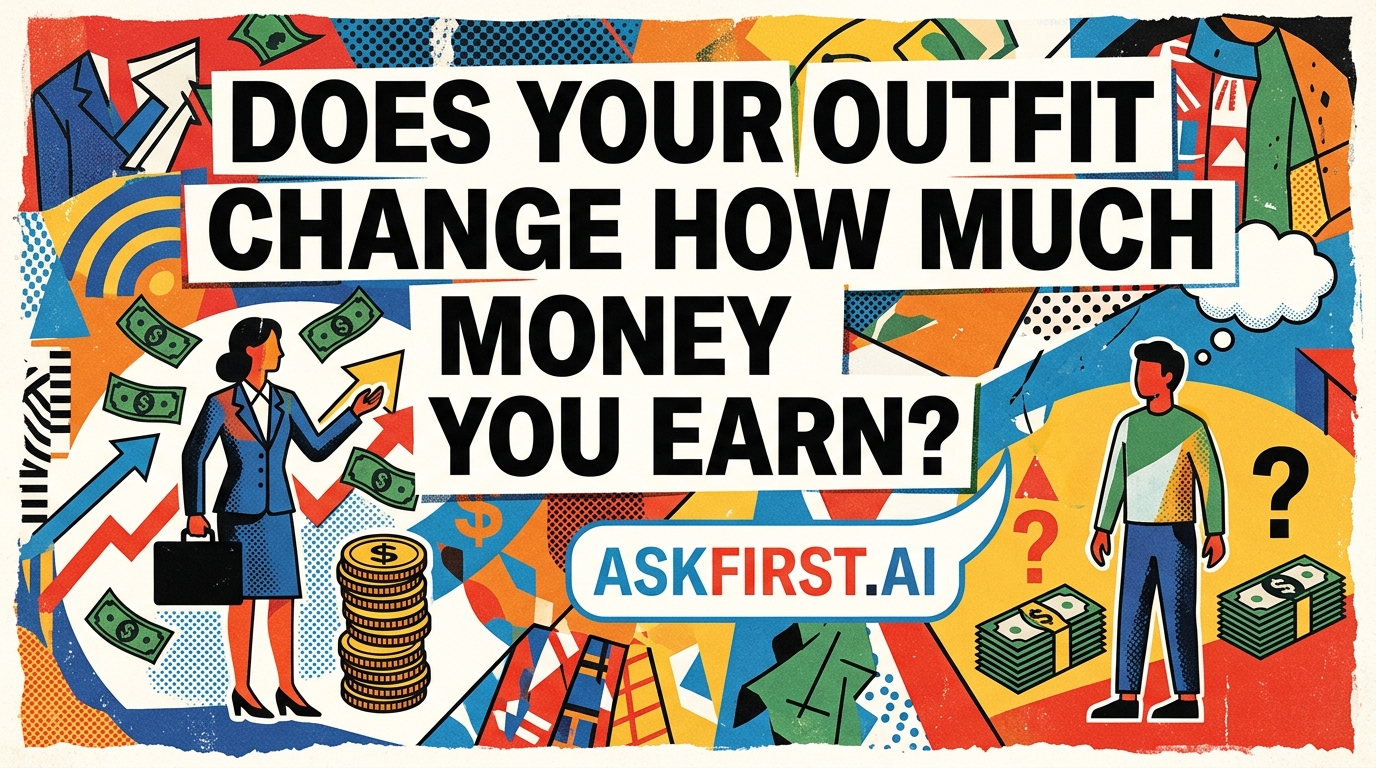
For decades, behavioral scientists have explored the phenomenon of 'enclothed cognition'—the idea that the clothes individuals wear do not just signal status to others but fundamentally alter the way wearers think, act, and negotiate. While common wisdom suggests that intelligence and skill dictate financial success, research suggests that the visual presentation of an individual acts as a psychological catalyst for how much value is attributed to them, thereby impacting their earning potential.
The Science of First Impressions
Research published in journals like Social Psychological and Personality Science indicates that human beings form snap judgments about trustworthiness, competence, and status within milliseconds of visual contact. This is known as the 'Halo Effect,' where one positive trait—in this case, a polished, professional appearance—influences the perception of unrelated traits like intelligence and productivity. When an individual enters a room dressed in attire that aligns with industry-specific 'uniforms of success,' observers are subconsciously primed to expect higher competence. Consequently, this leads to better job offers, higher starting salaries, and increased opportunities for promotions.
Why Attire Influences Negotiation Success
Negotiation outcomes are often determined by the confidence projected by the participants. When someone wears an outfit that makes them feel powerful, they exhibit a phenomenon known as 'self-perceived status.' This psychological shift influences body language, vocal tone, and the willingness to advocate for higher compensation. Specifically:
- Authority Bias: High-quality, well-tailored clothing triggers an 'authority bias' in counterparts. This bias makes counterparts more likely to defer to the individual's demands, perceiving them as more authoritative.
- Reduced Anxiety: When an individual feels 'appropriately dressed' for a scenario, cognitive load decreases. They spend less energy worrying about social judgment and more energy focusing on the complexities of the deal or the value they provide.
- Consistency and Signaling: In business, clothing serves as a signal of belonging. In fields like law or finance, wearing traditional business attire signals an adherence to institutional norms, which builds client trust—a direct precursor to revenue generation.
The 'Casual' Disruption and Creative Exceptions
While the correlation between professional attire and income is strong in traditional sectors, the rise of tech and creative industries has introduced a new dynamic: the 'anti-fashion' signal. In Silicon Valley or creative agencies, dressing overly formal can sometimes signal a lack of cultural fit or a 'corporate' mindset that is viewed as slow or stagnant. Here, income is often tied to the signal of 'effortless genius.' Yet, even in these instances, the attire is curated. It is not about a lack of clothing, but a specific aesthetic of competence.
The Long-Term Economic Impact of Image
Financial success is rarely a one-time event; it is a cumulative effect of small wins. A better outfit leads to a more confident handshake. That confidence leads to a successful pitch. The successful pitch results in a higher salary. Over a career span of thirty or forty years, the compounding interest of even a 5% to 10% salary boost due to improved professional presentation can equate to hundreds of thousands of dollars in lifetime earnings.
Practical Strategies for Professional Presentation
To leverage the science of clothing for financial gain, consider the following evidence-based approaches:
- Understand the Industry Standard: Research the dress code of the upper echelon of your specific field. Aim to mirror or slightly elevate the standards of those you wish to emulate.
- Prioritize Fit Over Brand: A modestly priced suit that is tailored perfectly to the body will always project more status and competence than an expensive, ill-fitting garment. Fit is the primary indicator of high-status signaling.
- The Power of Uniformity: Developing a 'signature' style can increase personal branding. When people recognize an individual by their visual consistency, it creates a psychological 'anchor' that makes them easier to remember and more likely to be associated with successful outcomes.
Conclusion: The Investment in Yourself
Investing in one's wardrobe is an investment in human capital. By understanding that attire functions as a non-verbal tool for communication, individuals can take agency over how their competence is perceived. Whether the goal is a salary increase, securing a massive contract, or establishing authority in a new field, the clothes on one's back are far more than fabric; they are a psychological instrument that facilitates the accumulation of wealth and social status. Mastery of this visual language is an essential component of professional strategy that remains timeless and universally effective.