The Psychology of Human-Centric Branding
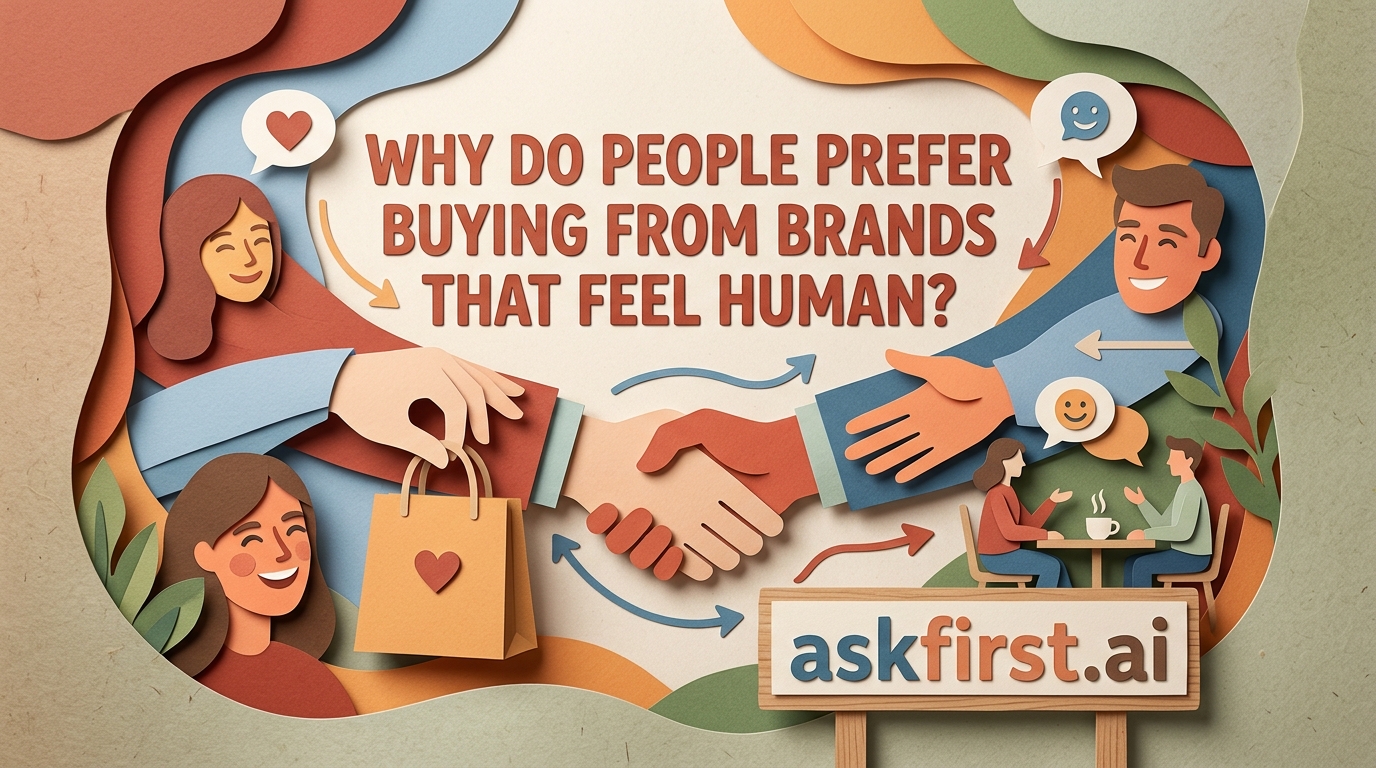
In an era dominated by hyper-automation, artificial intelligence, and globalized supply chains, the fundamental human desire for connection has become a rare commodity. Consumers increasingly gravitate toward brands that project a 'human' persona—not merely because it is aesthetically pleasing, but because it satisfies a deep-seated neurological need for trust and social validation. When a company behaves like a person, it triggers the same social-cognitive pathways used to evaluate human relationships, creating an emotional bridge that corporate facelessness cannot replicate.
The Neurobiology of Trust
At the core of the human-brand connection lies the concept of social cognition. Research in behavioral psychology indicates that when consumers interact with brands that demonstrate empathy, humility, or shared values, the brain activates regions associated with social bonding rather than logical cost-benefit analysis. A humanized brand acts as a social shortcut; instead of evaluating the technical specifications of a product, the brain performs a 'friend-or-foe' assessment based on the brand's tone, voice, and responsiveness. This process reduces perceived risk, making the purchasing decision feel like a recommendation from a peer rather than a transaction with an entity.
The Power of Vulnerability and Authenticity
One of the most counter-intuitive findings in modern marketing is that brands that admit mistakes often see higher loyalty than those that project perfection. This is known as the Pratfall Effect, a psychological phenomenon where high-achieving individuals (or companies) become more likable after a minor blunder. By acknowledging a mistake—such as a shipping delay or a service error—with a human-like tone, a brand moves away from the sterile, scripted corporate apology. This transparency creates a psychological contract of honesty, which is a powerful predictor of long-term retention.
Core Pillars of Humanized Branding
To build a brand that feels human, organizations must focus on three essential dimensions:
- Relatability: Using conversational language that reflects the target audience's vernacular. This bridges the gap between 'corporate speak' and genuine human communication.
- Empathy: Actively listening to customer feedback and proving that the brand understands the emotional context of the user's struggle. This is not about automated CRM tickets, but about genuine acknowledgment of the user's journey.
- Consistency of Values: Human beings have personalities that remain relatively stable. If a brand shifts its 'values' based on current trends, it is perceived as manipulative. A humanized brand stays true to a core identity, much like a person with a strong moral compass.
The Storytelling Advantage
Humans are biologically hardwired to process information through stories. Faceless brands sell products; humanized brands sell narratives. By focusing on the 'why'—the motivation behind a product or the founder's struggle—a brand transforms itself into a character. This creates a shared journey where the consumer feels they are playing a part in a larger mission. This narrative-driven approach is why local artisan shops often command higher premiums than global retailers; the history and labor behind the product are visible, tangible, and human.
Why Perfection Fails
In the digital age, perfection is often equated with deception. An overly polished website, pristine social media feeds, and robotic customer support can signal a lack of authenticity, leading to 'uncanny valley' effects in branding. Consumers are increasingly skeptical of corporate polish. A brand that feels human—complete with quirks, a unique voice, and occasional transparency about the challenges of growth—feels real. Realness invites loyalty, whereas artificiality demands only usage.
The Future of Connection
As technology advances, the 'human' element will only grow in value. In a world where AI can mimic professional prose, the true differentiator will be the intangible quality of 'humanity'—the ability to care, to be nuanced, and to foster true community. Brands that fail to lean into this will be viewed as utilities, easily discarded for the next cheaper alternative. Those that cultivate a human persona, however, will be viewed as partners in the consumer's life, creating a competitive moat that is nearly impossible for purely transactional competitors to bridge. The future of commerce is not B2B or B2C; it is H2H: Human-to-Human.