The Psychology of Red: A Deep Dive into Consumption
The influence of color on human decision-making is a cornerstone of behavioral economics and marketing psychology. Among the entire visible spectrum, the color red holds a unique, almost primitive position. It is rarely perceived neutrally; instead, it triggers profound physiological and psychological responses that can dictate consumer behavior in subtle but significant ways.
The Evolutionary Basis of Red
To understand why red influences spending, one must look at the evolutionary perspective. Historically, red signals urgency and high arousal. It is the color of blood, fire, and ripe, nutrient-dense fruit. Consequently, human brains are hardwired to prioritize red stimuli. When an individual sees red, their heart rate often increases slightly, and their attention shifts rapidly. This hyper-awareness is useful in the wild for identifying threats or opportunities, but in a retail environment, it creates a state of heightened emotional reactivity that can bypass logical analysis.
The Urgency Bias: Red as a Signal for Action
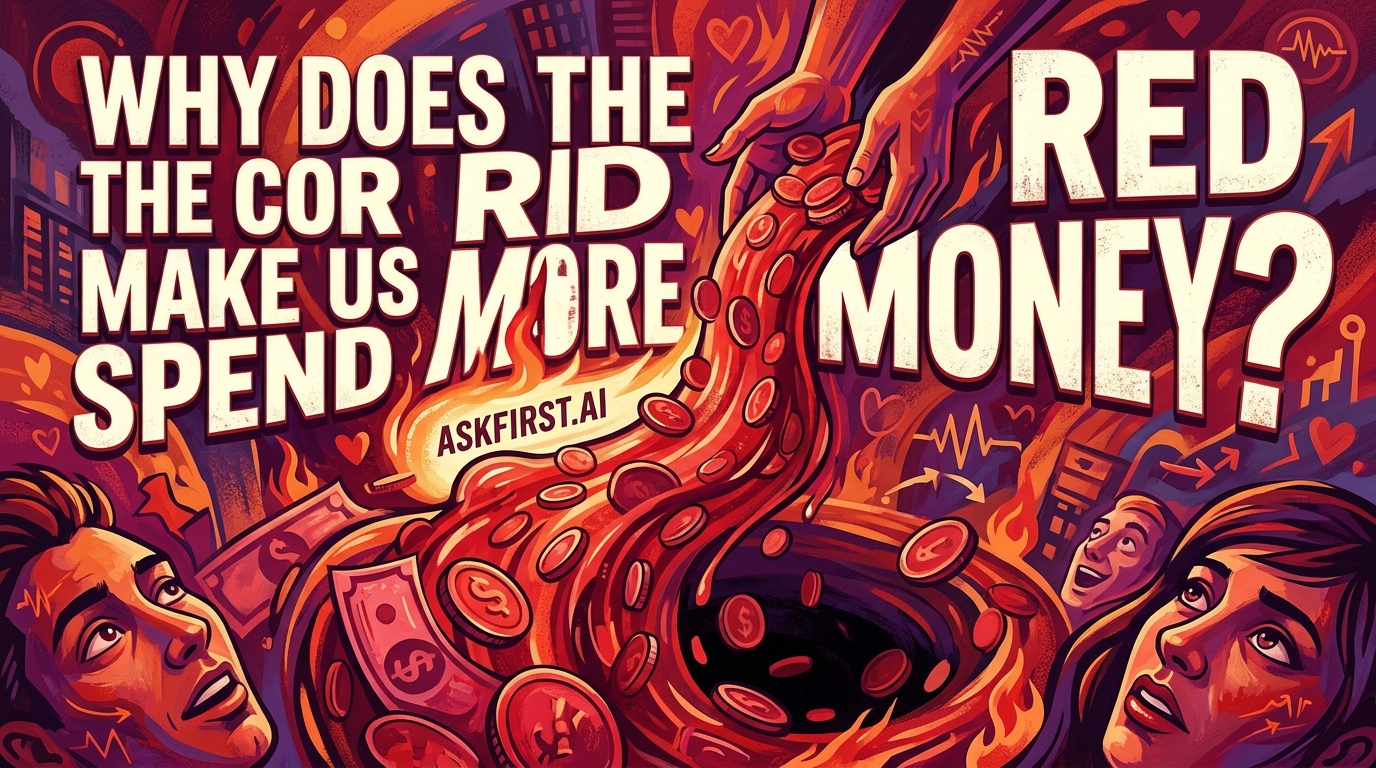
Marketing experts have long utilized the 'Red Effect' to drive sales. Red is inextricably linked to concepts of urgency and immediate action. Think of 'Sale' signs, 'Limited Time Offer' banners, and clearance tags. By wrapping these messages in red, retailers exploit the consumer's instinctive need to react to a signal. The color triggers the sympathetic nervous system, inducing a mild 'fight or flight' response. In a shopping context, this often manifests as a desire to 'seize' an opportunity before it disappears. This phenomenon is known as scarcity-induced urgency. The brain interprets the red alert as a sign that the object of desire might be lost if immediate action is not taken.
Physiological Impact and Impulsivity
Research indicates that exposure to red can decrease the time it takes for individuals to make decisions. When a customer is confronted with a red-themed discount, the cognitive processing of 'should I buy this?' is shortened. Instead of weighing the long-term utility of a product, the buyer is swayed by the emotive quality of the color. This shifts the purchase from a rational process to an impulsive one. Retailers recognize that consumers are far more likely to abandon a planned budget when they are in a state of high emotional arousal.
Cultural Variations and Nuance
While the arousal effect is relatively universal, cultural context plays a crucial role. In many Western cultures, red denotes danger, heat, or stopping (as in a stoplight), which encourages immediate vigilance. In contrast, in many East Asian cultures, red is associated with prosperity, joy, and good fortune. Interestingly, both connotations serve to drive spending. Whether the red represents the 'danger' of missing a deal or the 'fortune' of acquiring a treasure, the result remains the same: increased interest and faster conversion rates. Businesses leverage these ingrained cultural narratives to tailor their store layouts and advertising campaigns to the local psyche.
Practical Applications in Retail Strategy
- Call-to-Action Buttons: Websites frequently use red for 'Buy Now' buttons because the color creates high contrast and signals dominance.
- Pricing Psychology: Retailers often put price tags on red backgrounds to signify a price drop, knowing that the brain associates the color with a positive resolution to the tension of wanting an item.
- Sensory Marketing: In brick-and-mortar stores, red carpets or red product displays are used to draw customers into specific zones, effectively guiding their navigation through the retail space.
Mitigating the Red Effect
Consumers can gain control over their spending habits by recognizing these triggers. When an individual enters a space filled with red branding, they should acknowledge that their physiological state is being manipulated. Taking a brief 'cooling off' period—simply stepping away from the red signage for a few minutes—allows the brain to transition from the emotional, reactive state back to the logical, prefrontal cortex. This 'pause for perspective' is the most effective tool for preventing impulse buys driven by visual cues.
Summary
Ultimately, the color red acts as a psychological catalyst. It accelerates the buying process, amplifies the perceived importance of a deal, and taps into ancient survival instincts that prioritize immediate action. By understanding that this is a biological response rather than a personal weakness, consumers can make more informed choices, ensuring that their spending aligns with their long-term financial goals rather than the clever, color-coded strategies of retail giants.