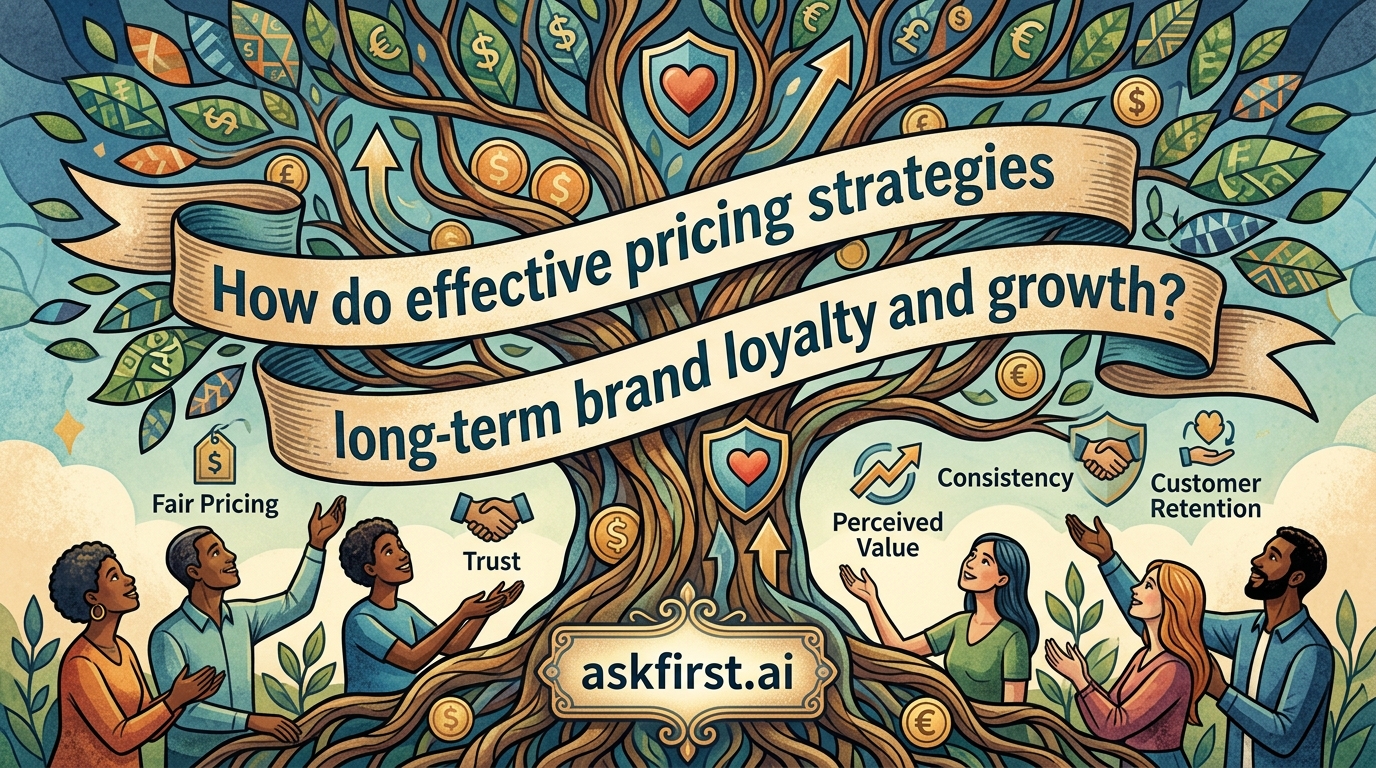
Pricing is far more than a simple numerical calculation of cost-plus margins; it is a profound psychological signal that defines the relationship between a brand and its consumer base. When executed with precision, pricing strategies act as the bedrock for long-term brand loyalty and sustainable market growth. Conversely, erratic or poorly conceived pricing can erode brand equity faster than any competitor’s marketing campaign.
The Psychology of Value Perception
At the heart of effective pricing lies the concept of Perceived Value. As noted by Hermann Simon, the founder of Simon-Kucher & Partners and author of Confessions of the Pricing Man, pricing is the most powerful lever for profitability, yet it is often the most misunderstood. Customers do not buy products; they buy solutions to problems, and the price tag serves as an anchor for the quality they expect.
When a brand consistently aligns its price with the value delivered, it builds "price trust." If a consumer pays a premium for a high-end coffee machine, they expect durability and superior performance. If that product delivers, the brand earns a cognitive shortcut in the consumer's mind: "This brand is reliable." This trust is the precursor to loyalty. When the brand eventually releases a new product, the customer is far more likely to bypass competitive research, trusting that the brand’s pricing philosophy ensures a quality outcome.
Pricing Strategies as Brand Positioning
Effective pricing reinforces the brand’s identity. Consider the strategy of Prestige Pricing, famously utilized by luxury houses like Hermès or Rolex. By maintaining high price points regardless of seasonal demand, these brands signal exclusivity and craftsmanship. This creates a "Veblen effect," where the high price itself becomes a core feature of the product’s appeal.
Conversely, Value-Based Pricing, championed by experts like Thomas Nagle and Georg Müller in their seminal text The Strategy and Tactics of Pricing, focuses on setting prices based on the economic value the customer derives from the product. If a software company saves a client $1 million annually, charging $100,000 for that software is a bargain, regardless of the development cost. This approach fosters loyalty because the customer feels they are entering a partnership where the brand is invested in their success, rather than just extracting cash.
The Role of Dynamic Pricing and Fairness
In the modern digital landscape, dynamic pricing—the practice of adjusting prices in real-time based on demand—is a double-edged sword. While it can optimize revenue, it risks alienating customers if perceived as unfair. Transparency is the antidote to this risk.
When airlines or ride-sharing platforms use surge pricing, they must communicate the "why" clearly. If customers understand that higher prices ensure service availability during peak times, they accept it. If they feel manipulated, the brand suffers. Long-term growth is predicated on Price Integrity. Brands that avoid constant, deep discounting build stronger loyalty. Frequent sales train customers to wait for the discount, effectively devaluing the product. By maintaining stable pricing, brands demonstrate confidence in their worth.
Retention Through Subscription Models
Growth is rarely achieved through one-off transactions; it is built on the Lifetime Value (LTV) of the customer. Subscription-based pricing strategies have revolutionized growth by shifting the focus from "acquisition at any cost" to "long-term engagement."
Take, for example, the Adobe Creative Cloud transition. By moving from a perpetual license model to a recurring subscription, Adobe transformed its revenue stream into a predictable, growth-oriented engine. This strategy allowed them to continuously update software, keeping users within their ecosystem for years rather than cycles. The psychological lock-in here is powerful: the more a user integrates a brand into their daily workflow, the higher the "switching cost," which acts as a formidable barrier against competitors.
Concrete Examples of Pricing Success
- Apple: Their "Good-Better-Best" pricing strategy is a masterclass in product line architecture. By offering a range of iPhone models, they capture different segments of the market while maintaining a premium floor that protects their brand image.
- Costco: Their membership-based pricing model creates a psychological sense of belonging. Because customers pay an upfront fee, they are incentivized to shop exclusively at Costco to "recoup" their membership cost, driving massive loyalty and volume growth.
- Patagonia: By refusing to participate in "Black Friday" discounting and instead focusing on the durability and repairability of their gear, they command a premium and build fierce, values-based loyalty that transcends traditional commerce.
Conclusion: The Strategic Imperative
The interplay between pricing and growth is delicate. Pricing is the primary mechanism through which a brand communicates its values, its quality, and its respect for the customer. To foster long-term loyalty, businesses must move beyond reactive, cost-based pricing models. They must adopt a strategic framework that prioritizes value creation, price integrity, and customer-centricity.
When a brand treats pricing as a strategic asset rather than a tactical necessity, it does more than just increase revenue—it builds a community of advocates. The ultimate goal is to reach a point where the customer views the price not as a cost to be minimized, but as a fair exchange for the value they receive. As history has shown, firms that master this balance are the ones that endure, grow, and define their respective industries for decades.