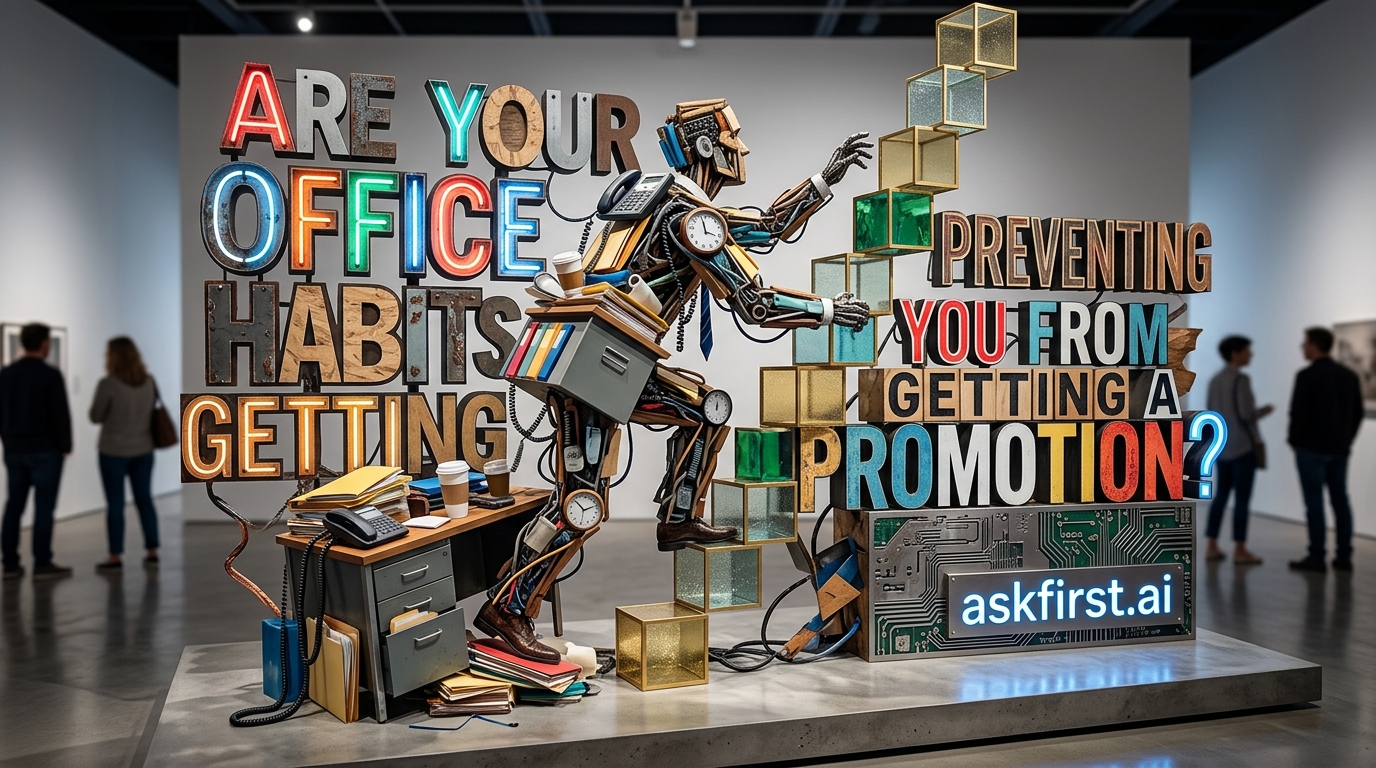
The Invisible Barriers to Career Advancement
Many professionals dedicate years to honing technical skills, yet they find themselves stagnating while others—seemingly less qualified—climb the corporate ladder with ease. Often, the difference lies not in ability, but in the subtle, daily office habits that act as an invisible ceiling. When an organization evaluates an individual for a promotion, management looks beyond performance metrics; they assess executive presence, leadership potential, and the cultural alignment of the employee. Several counter-intuitive habits often undermine this perception without the individual even realizing it.
The Trap of Being 'Too Busy'
One of the most pervasive myths in the modern workplace is that being perpetually overloaded is a proxy for productivity. While dedication is admirable, an employee who is constantly firefighting and complaining about a lack of time signals an inability to manage priorities or delegate effectively. Leadership requires the capacity to step back and look at the bigger picture. If an individual is buried in the weeds of daily execution, leadership cannot envision them in a strategic role. To combat this, one must master the art of time blocking, focus on high-impact tasks, and learn to say no to low-value activities that do not serve the department's core objectives.
Communication Nuances and Perceived Competence
Communication is the currency of influence. Habits such as over-apologizing, using excessive filler words, or failing to speak up in meetings can drastically diminish one’s perceived authority. A promotion candidate must master the balance of assertiveness and empathy. Studies in organizational behavior indicate that professionals who frame their contributions with clarity, confidence, and brevity are viewed as leaders. It is essential to avoid the tendency to dominate conversations, as active listening is equally critical. Those who listen intently and synthesize information effectively are often regarded as the most capable problem solvers in the room.
Visibility vs. Volatility
There is a critical distinction between strategic visibility and seeking attention. Some employees operate under the misguided belief that working quietly will inevitably lead to recognition. In reality, managers cannot reward what they do not see or understand. Developing a habit of regular 'win-reporting'—where contributions are succinctly communicated to leadership—is vital. Conversely, individuals must avoid the habit of complaining or engaging in office politics. Negativity is a contagion that leaders strive to insulate their teams from. Maintaining a reputation for emotional stability, especially under pressure, is one of the strongest indicators of promotion readiness.
Building Influence Without Formal Authority
Promotion often comes to those who have already started doing the job they are aspiring toward. If an employee waits for a title change to begin leading projects, mentoring junior staff, or improving internal processes, they are waiting for permission that rarely comes. This is known as 'leading from the front.' Habitually volunteering for cross-functional teams, identifying inefficiencies in workflows, and offering proactive solutions—rather than identifying problems for others to solve—builds a resume of impact. Leadership looks for self-starters who take ownership of the organizational mission rather than those who simply follow instructions.
Cultivating Executive Presence
Executive presence is not about fitting a specific mold; it is about projecting confidence, grace, and decisiveness. Habits such as consistently being unprepared for meetings, showing poor digital etiquette, or lacking awareness of the company culture can erode executive presence. Professionals should cultivate the habit of continuous learning, ensuring their knowledge remains relevant and that they are aware of market trends affecting their industry. Aligning personal professional goals with the strategic roadmap of the organization demonstrates a level of commitment that is rarely overlooked during promotion cycles.
Conclusion: The Conscious Audit
Breaking the glass ceiling of one's own habits requires a period of honest, self-reflective auditing. By systematically replacing passive behaviors with proactive strategies—managing time for impact, communicating with authority, and demonstrating leadership long before the title change—one shifts from being a mere participant in the office environment to an architect of their own career trajectory. Promoting an individual is an investment for the company; by displaying consistency, reliability, and strategic thinking in every habit, an employee transforms from a worker into an indispensable asset.