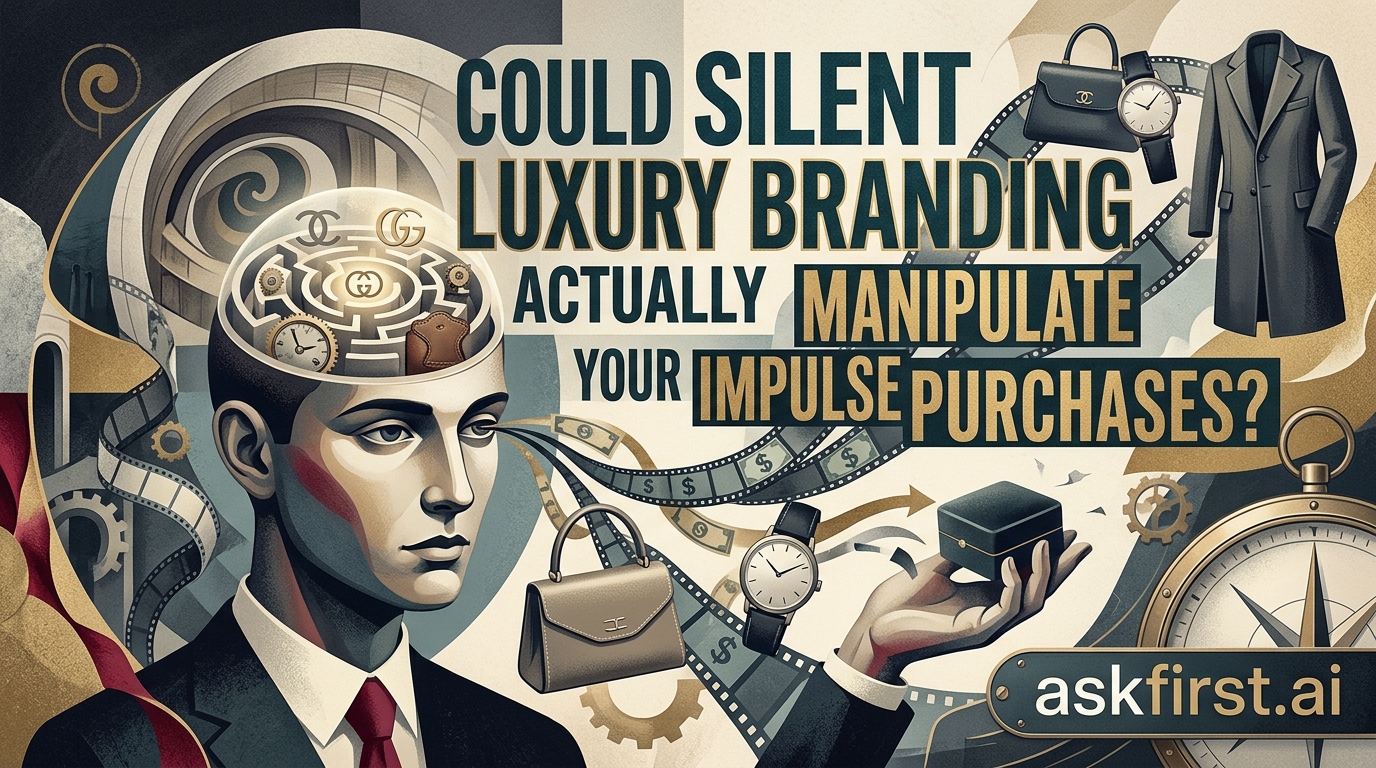
The Hidden Psychology of Silent Luxury: Why Minimalism Sells
Silent luxury, often characterized by the absence of overt logos and ostentatious branding, relies on a sophisticated psychological framework known as "signaling theory." Rather than shouting through monograms, these brands utilize material quality, proprietary silhouettes, and extreme scarcity to trigger a specific type of consumer desire. This aesthetic does not merely suggest wealth; it implies an exclusive membership to a perceived elite circle, making the purchase feel less like a transaction and more like an initiation.
The Mechanism of Subtle Influence
The manipulation of impulse purchases in this category is rooted in the "Diderot Effect" and the "Bandwagon Effect." When a consumer interacts with an item that lacks a logo, the brain is forced to perform a higher level of cognitive processing to verify its value. Because there is no external marker to validate the brand identity, the consumer must rely on internal cues such as the weight of the fabric, the precision of a stitch, or the reputation of the house. This increased engagement creates a deeper psychological attachment before the item is even bought.
- The In-Group Signal: Silent luxury targets the "if you know, you know" mentality. This exclusivity bypasses the rational brain, which typically assesses cost-per-wear, and instead targets the social reward centers of the brain.
- Cognitive Ease through Simplicity: Humans are often overwhelmed by cluttered advertising. Minimalism acts as a visual relief, making the product appear more trustworthy and timeless, which lowers defensive barriers during the shopping experience.
Why Your Impulse Control Fails
Luxury houses manipulate impulse purchasing through "curated scarcity." By releasing small, unbranded batches of products, they create a sense of urgency that is not tied to a "sale" price, but to the fear of missing out on a status symbol. Unlike fast fashion, where the urgency is tied to low price, silent luxury creates urgency through social anxiety. The item is marketed as a "forever piece," which is a clever cognitive framing device. By framing a high-cost impulse buy as a long-term investment, the consumer successfully rationalizes an irrational spending decision. This psychological framing is supported by behavioral economics, which suggests that humans are prone to "hyperbolic discounting," where the immediate joy of ownership outweighs the future financial cost.
Furthermore, the lack of traditional branding removes the "tacky" stigma associated with conspicuous consumption, allowing the buyer to feel morally superior to those wearing logo-heavy items. This sense of refinement acts as a powerful dopamine trigger. The purchase is no longer just about the physical item; it is about the acquisition of a refined, curated persona. When a consumer identifies with this persona, the impulse to buy becomes an impulse to preserve or improve one's self-image, a fundamental driver of human behavior that effectively overrides logical budgetary constraints.